
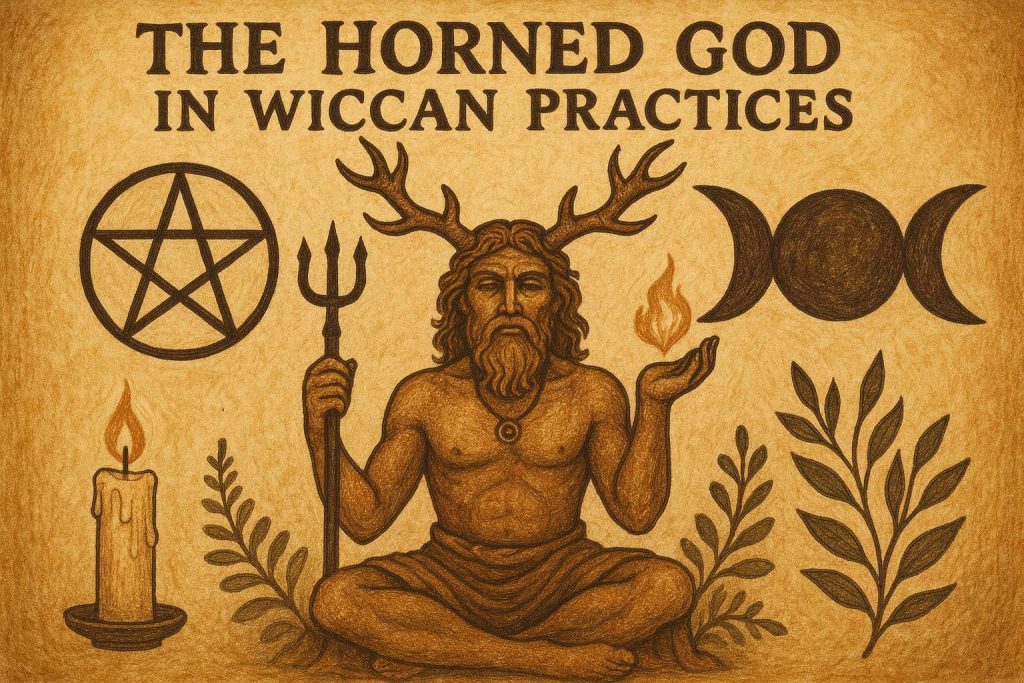
The Horned God in Wiccan Practices
In Wiccan traditions, the Horned God is a central figure, embodying the male aspect of divinity. Often depicted with the horns of a stag, the Horned God represents nature, wilderness, and the cycle of life and death. This deity is an important part of Wiccan beliefs, offering a balance to the female divine principle, the Goddess.
Symbolism and Attributes
The Horned God is a symbol of the untamed and primal forces of nature. He is often seen as a being who personifies fertility, the hunt, and the changing seasons. His association with animals, especially stags, reflects his connection to the natural world and its cyclical rhythms. The horns are emblematic of animal instincts and the vital, regenerative forces in life. These attributes of the Horned God encourage practitioners to tap into their innate strength and resilience, promoting a harmonious relationship with the environment.
Furthermore, the Horned God’s symbolism serves as a reminder of the continuous cycle of birth, death, and rebirth, resonating with the changing seasons and the natural progression of life. This cycle is a core aspect of Wiccan spirituality, highlighting the importance of recognizing and revering these natural processes.
Role in Mythology
The Horned God appears under various names and forms across different cultures and mythologies, such as Cernunnos in Celtic lore and Pan in Greek mythology. These figures share common themes of nature, fertility, and wildness, which are integral to understanding the Horned God’s role in Wicca. Linking historical myths with modern practices helps deepen the understanding of his influence. Exploring these mythological backgrounds can enhance one’s appreciation of the Horned God’s rich symbolism and multifaceted persona, which has been revered since ancient times.
Connection to these deities illustrates the universal resonance of the Horned God’s imagery, signifying an enduring human connection to nature’s mysterious and potent energies. This connection lies at the heart of Wiccan reverence for the Horned God, broadening the cultural and spiritual significance of this deity in contemporary Wicca.
Rituals and Worship
In Wiccan rituals, the Horned God is often invoked during ceremonies that celebrate the cycles of nature, such as the Sabbats. Particularly during Beltane and Samhain, he is called upon to bless the earth, encourage fertility, and guide the spirits. His presence is also honored in rites that focus on personal strength and transformation. Wiccans believe that invoking the Horned God during these rituals helps align the practitioner with the cosmic forces of growth and renewal.
Beltane Celebrations
During Beltane, the Horned God is celebrated as the consort of the Goddess, symbolizing their union that ensures the growth and fertility of the land. Rituals may include the lighting of fires and dancing to honor this relationship and evoke the life-giving energies of the Horned God. These activities are not merely symbolic; they are experiential, allowing participants to immerse themselves in the feeling of renewal and abundance.
Beltane marks the peak of spring and the beginning of summer—a vibrant time when the earth’s energies are at their most potent. The rituals performed in honor of the Horned God celebrate this vitality and encourage participants to channel it into their own lives, fostering creativity and new beginnings.
Samhain Observances
At Samhain, the Horned God is seen in his role as the dying god, marking the end of the harvest and the beginning of winter. This is a time of introspection, where practitioners reflect on their ancestors and the cycle of life and death, with the Horned God acting as a guide through the darker times of the year. Samhain provides an opportunity for individuals to honor the past, recognize the inevitability of change, and appreciate the natural cycles of life.
Participants often use this period to connect with the spirit world, seeking guidance and insight from their ancestors. The Horned God, in his role as the protector and guide, helps navigate these transitions, making Samhain a profound occasion for spiritual growth and understanding.
Modern Interpretations
Among contemporary Wiccans, the Horned God is appreciated for his embodiment of both strength and compassion, balancing the energies of the Goddess. His imagery encourages a deeper connection with nature and recognition of one’s own inner wildness. Workshops, books, and gatherings often explore his archetype, providing resources for those interested in his worship and significance in Wicca.
The modern portrayal of the Horned God emphasizes a harmonious blend of masculinity that includes nurturing and protective qualities, aligning with broader societal shifts toward inclusive interpretations of gender. This modern perspective fosters a more holistic approach to spirituality, where the divine is seen as encompassing a full spectrum of qualities.
For further exploration, consider participating in local Wiccan groups or events, where you can engage with community members and learn more about the practices surrounding the Horned God. Engaging with a community allows individuals to share experiences and interpretations, enriching one’s personal spiritual journey. This interaction not only highlights the diversity within Wiccan practice but also reinforces the communal aspect of worship, integral to the Wiccan tradition.
Ultimately, the Horned God’s enduring legacy in Wicca underscores the timeless human desire to connect with nature’s cycles and the mysteries of life and death, encouraging practitioners to embrace their roles as stewards of the earth. Through the lens of the Horned God, Wicca offers a spiritual framework that resonates with both ancient wisdom and contemporary ecological awareness, guiding individuals toward a path of inner discovery and harmony with the world around them.