
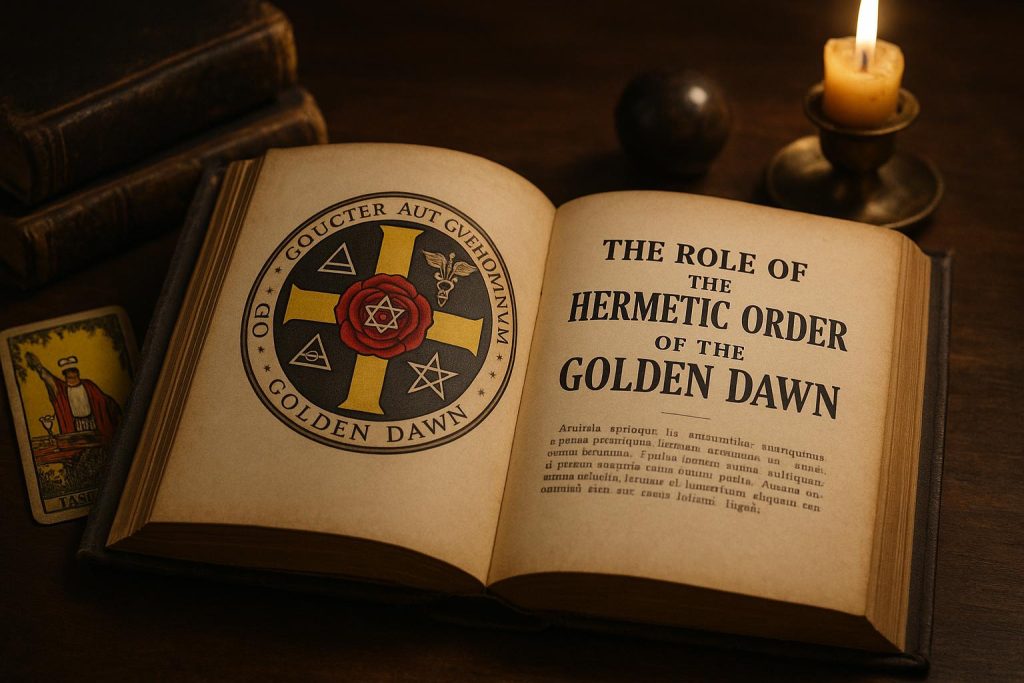
Introduction to the Hermetic Order of the Golden Dawn
The Hermetic Order of the Golden Dawn was an influential organization in the late 19th and early 20th centuries known for its teachings on the occult, metaphysics, and spiritual development. Founded in 1887, it played a significant role in the Western esoteric tradition. The order attracted many notable individuals and has had lasting impacts on modern spiritual movements.
Founding and Structure
The order was established by three Freemasons: William Robert Woodman, William Wynn Westcott, and Samuel Liddell MacGregor Mathers. The Golden Dawn was structured into three main orders. The First Order focused on esoteric knowledge and the study of subjects such as tarot, astrology, and geomancy. Members of this order were engaged in the foundational aspects of the order’s teachings, which promoted an understanding of these symbolic systems and their relevance to both personal development and the universal order of life.
The Second Order was a teaching group consisting of adepti who had completed the teachings of the First Order and were now initiated into deeper magical practices. This level required a more profound engagement with the practices of ritual magic and often involved more personal mentorship and guidance. Here, members developed their abilities to navigate and manipulate metaphysical energies, as well as to delve deeper into the mysteries that define the order’s philosophy.
The Third Order was a theoretical construct reserved for the secret chiefs who were believed to guide the society from a higher plane of existence. These entities were considered to possess esoteric wisdom and cosmic understanding far beyond human capacities. While the identity and existence of these secret chiefs remained largely speculative, their influence was deemed fundamental to the spiritual guidance and safeguarding of the order’s ideals.
Philosophical and Spiritual Teachings
The Hermetic Order of the Golden Dawn emphasized the integration of various esoteric traditions, including those of the Kabbalah, Hermeticism, and alchemy. These teachings were not just academic pursuits but pathways to profound personal transformation. Through the synthesis of different traditions, the members sought to attain a unified understanding of the universe and their place within it.
In particular, the Kabbalah provided a framework for understanding the universe and the divine, influencing the teachings and rituals within the Golden Dawn. Hermeticism, with its emphasis on the interconnectedness of all things, encouraged members to explore their own divinities and potential to transform into higher states of being. Alchemy, often misunderstood as merely the transformation of physical substances, was employed as a metaphor for personal spiritual evolution.
The teachings of the Golden Dawn focused on personal spiritual growth and the development of higher consciousness. Members were encouraged to explore their intuition, creativity, and psychic abilities extensively. Ritual magic, meditation, and visualization were common practices aimed at achieving these goals. Through disciplined practice, members were believed to awaken latent powers, gaining insights into both themselves and the universe.
Rituals and Ceremonies
Rituals played a crucial role in the practices of the Golden Dawn. These were used for a variety of purposes, including invoking spiritual forces and enacting symbolic journeys of transformation. The act of performing rituals was not only a means to an end but also a transformative journey in itself. Members engaged in these rituals as a means to bridge the gap between the known physical world and the unknown realms of higher existence.
The rituals often involved complex symbolism, and members were trained in their meaning and execution. For instance, the elements of nature represented balance and harmony, while mystical sigils and symbols were seen as keys to unlock deeper layers of consciousness. By engaging with these symbols, members believed they could access and mobilize the unseen forces of the cosmos.
This approach to spirituality was designed to foster individual enlightenment and empowerment. Rituals were perceived as living embodiments of the order’s teachings, encouraging a deeper understanding and connection to the spiritual truths they represented. As individuals progressed in their journey through the order, the layers of symbolism would be unfurled, allowing for an ever-deepening understanding of the esoteric laws and principles they encapsulated.
Notable Members and Influence
The Hermetic Order of the Golden Dawn attracted many distinguished individuals, including poet W.B. Yeats, occultist Aleister Crowley, and diplomat Arthur Edward Waite. The inclusion of such prominent figures contributed to both the intrigue and the prestige surrounding the order. Each individual brought their own unique perspectives and talents, enriching the diversity of thought and practice within the Golden Dawn.
W.B. Yeats, for instance, found that the mystical experiences and teachings within the Golden Dawn significantly influenced his literary work, imbuing it with themes of symbolism and otherworldly exploration. Similarly, Aleister Crowley, though eventually parting ways with the group, left a profound mark on the development of Western magical traditions through his reinterpretations and adaptations of the Golden Dawn’s teachings.
The ideas and practices of the order profoundly influenced the development of modern witchcraft, neopagan movements, and contemporary magical practices. The structures and rituals developed by the Golden Dawn have continued to inspire many later organizations, such as the Stella Matutina and the Builders of the Adytum. These groups have carried forward the order’s traditions, adapting them to suit evolving spiritual contexts and cultural shifts.
Additionally, the focus on personal spiritual growth and the synthesis of different metaphysical traditions remain key influences on modern spiritual philosophies. The Golden Dawn’s integration of ritual, magic, and esoteric wisdom has provided countless individuals and groups with a framework for exploring and developing personal spirituality in a world that often prioritizes empirical knowledge over metaphysical exploration.
Legacy and Modern Perspective
The legacy of the Hermetic Order of the Golden Dawn endures through both its original texts and the continued practice of its rituals by contemporary practitioners. These texts, once guarded with utmost secrecy, have since become accessible to a broader audience, allowing for a wider dissemination of the order’s philosophies and methodologies. Their availability has provided insight into the historical context and the spiritual aspirations that motivated the order’s foundational figures.
Although the original organization disbanded in the early 20th century, its teachings live on in various forms and continue to attract interest worldwide. Modern practitioners and scholars alike find value in exploring the order’s detailed documents and records, allowing for reinterpretation and innovation in alignment with contemporary spiritual quests.
For further exploration of their teachings and impact, consider delving into books and resources that explore the history and practices of this influential esoteric order. Discover how the principles of the Golden Dawn resonate with and contribute to current spiritual discussions by visiting reputable resources on this topic. As interest in esoteric traditions and spiritual development continues to grow, the Golden Dawn’s contributions offer a foundation upon which current and future generations can explore and expand their spiritual horizons.