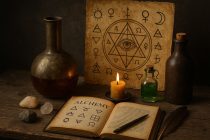
The role of the Hermetic Order of the Golden Dawn.

Introduction to the Hermetic Order of the Golden Dawn

The Hermetic Order of the Golden Dawn was an influential organization in the late 19th and early 20th centuries known for its teachings on the occult, metaphysics, and spiritual development. Founded in 1887, it played a significant role in the Western esoteric tradition. The order attracted many notable individuals and has had lasting impacts on modern spiritual movements.

Founding and Structure

The order was established by three Freemasons: William Robert Woodman, William Wynn Westcott, and Samuel Liddell MacGregor Mathers. The Golden Dawn was structured into three main orders. The First Order focused on esoteric knowledge and the study of subjects such as tarot, astrology, and geomancy. Members of this order were engaged in the foundational aspects of the order’s teachings, which promoted an understanding of these symbolic systems and their relevance to both personal development and the universal order of life.

The Second Order was a teaching group consisting of adepti who had completed the teachings of the First Order and were now initiated into deeper magical practices. This level required a more profound engagement with the practices of ritual magic and often involved more personal mentorship and guidance. Here, members developed their abilities to navigate and manipulate metaphysical energies, as well as to delve deeper into the mysteries that define the order’s philosophy.

The Third Order was a theoretical construct reserved for the secret chiefs who were believed to guide the society from a higher plane of existence. These entities were considered to possess esoteric wisdom and cosmic understanding far beyond human capacities. While the identity and existence of these secret chiefs remained largely speculative, their influence was deemed fundamental to the spiritual guidance and safeguarding of the order’s ideals.

Philosophical and Spiritual Teachings

The Hermetic Order of the Golden Dawn emphasized the integration of various esoteric traditions, including those of the Kabbalah, Hermeticism, and alchemy. These teachings were not just academic pursuits but pathways to profound personal transformation. Through the synthesis of different traditions, the members sought to attain a unified understanding of the universe and their place within it.

In particular, the Kabbalah provided a framework for understanding the universe and the divine, influencing the teachings and rituals within the Golden Dawn. Hermeticism, with its emphasis on the interconnectedness of all things, encouraged members to explore their own divinities and potential to transform into higher states of being. Alchemy, often misunderstood as merely the transformation of physical substances, was employed as a metaphor for personal spiritual evolution.

The teachings of the Golden Dawn focused on personal spiritual growth and the development of higher consciousness. Members were encouraged to explore their intuition, creativity, and psychic abilities extensively. Ritual magic, meditation, and visualization were common practices aimed at achieving these goals. Through disciplined practice, members were believed to awaken latent powers, gaining insights into both themselves and the universe.

Rituals and Ceremonies

Rituals played a crucial role in the practices of the Golden Dawn. These were used for a variety of purposes, including invoking spiritual forces and enacting symbolic journeys of transformation. The act of performing rituals was not only a means to an end but also a transformative journey in itself. Members engaged in these rituals as a means to bridge the gap between the known physical world and the unknown realms of higher existence.

The rituals often involved complex symbolism, and members were trained in their meaning and execution. For instance, the elements of nature represented balance and harmony, while mystical sigils and symbols were seen as keys to unlock deeper layers of consciousness. By engaging with these symbols, members believed they could access and mobilize the unseen forces of the cosmos.

This approach to spirituality was designed to foster individual enlightenment and empowerment. Rituals were perceived as living embodiments of the order’s teachings, encouraging a deeper understanding and connection to the spiritual truths they represented. As individuals progressed in their journey through the order, the layers of symbolism would be unfurled, allowing for an ever-deepening understanding of the esoteric laws and principles they encapsulated.

Notable Members and Influence

The Hermetic Order of the Golden Dawn attracted many distinguished individuals, including poet W.B. Yeats, occultist Aleister Crowley, and diplomat Arthur Edward Waite. The inclusion of such prominent figures contributed to both the intrigue and the prestige surrounding the order. Each individual brought their own unique perspectives and talents, enriching the diversity of thought and practice within the Golden Dawn.

W.B. Yeats, for instance, found that the mystical experiences and teachings within the Golden Dawn significantly influenced his literary work, imbuing it with themes of symbolism and otherworldly exploration. Similarly, Aleister Crowley, though eventually parting ways with the group, left a profound mark on the development of Western magical traditions through his reinterpretations and adaptations of the Golden Dawn’s teachings.

The ideas and practices of the order profoundly influenced the development of modern witchcraft, neopagan movements, and contemporary magical practices. The structures and rituals developed by the Golden Dawn have continued to inspire many later organizations, such as the Stella Matutina and the Builders of the Adytum. These groups have carried forward the order’s traditions, adapting them to suit evolving spiritual contexts and cultural shifts.

Additionally, the focus on personal spiritual growth and the synthesis of different metaphysical traditions remain key influences on modern spiritual philosophies. The Golden Dawn’s integration of ritual, magic, and esoteric wisdom has provided countless individuals and groups with a framework for exploring and developing personal spirituality in a world that often prioritizes empirical knowledge over metaphysical exploration.

Legacy and Modern Perspective

The legacy of the Hermetic Order of the Golden Dawn endures through both its original texts and the continued practice of its rituals by contemporary practitioners. These texts, once guarded with utmost secrecy, have since become accessible to a broader audience, allowing for a wider dissemination of the order’s philosophies and methodologies. Their availability has provided insight into the historical context and the spiritual aspirations that motivated the order’s foundational figures.

Although the original organization disbanded in the early 20th century, its teachings live on in various forms and continue to attract interest worldwide. Modern practitioners and scholars alike find value in exploring the order’s detailed documents and records, allowing for reinterpretation and innovation in alignment with contemporary spiritual quests.

For further exploration of their teachings and impact, consider delving into books and resources that explore the history and practices of this influential esoteric order. Discover how the principles of the Golden Dawn resonate with and contribute to current spiritual discussions by visiting reputable resources on this topic. As interest in esoteric traditions and spiritual development continues to grow, the Golden Dawn’s contributions offer a foundation upon which current and future generations can explore and expand their spiritual horizons.

The influence of Aleister Crowley on modern occultism.

The Legacy of Aleister Crowley on Modern Occultism

Aleister Crowley, often referred to as “The Great Beast,” is a figure whose impact on modern occultism is both profound and controversial. As a prolific writer, ceremonial magician, and founder of the religious philosophy of Thelema, Crowley’s influence can be seen in various modern spiritual and occult practices. Understanding Crowley’s legacy involves examining various aspects of his life and influence on contemporary spiritual practices.

Early Life and Introduction to the Occult

Aleister Crowley’s journey into the realms of mysticism and the occult began in the late 19th century. Born in 1875, Crowley was raised in a strict Christian household that adhered to the principles of the Exclusive Brethren, a conservative evangelical sect. His upbringing in this rigid environment played a significant role in shaping his later quest for esoteric and mystical knowledge. This rebellion against the constraints of his early life fueled Crowley’s exploration of alternative spiritual pathways.

During his time at the University of Cambridge, Crowley began to indulge his curiosity about the occult. It was here that he immersed himself in the study of mystical literature, ranging from ancient texts to the works of modern mystics. The intellectual freedom he experienced at Cambridge allowed him to pursue these interests without the restrictions imposed by his upbringing. Eventually, this exploration led him to join the Hermetic Order of the Golden Dawn, a prominent organization dedicated to the study and practice of the occult.

The Formation of Thelema

Thelema, a spiritual philosophy formulated by Crowley, stands at the core of his legacy. This belief system places primary importance on the concept of finding and following one’s true will, free from external impositions. The central tenet of Thelema, “Do what thou wilt shall be the whole of the Law,” signifies more than just indulgence in personal freedom; it represents a spiritual journey and an inward exploration of the self.

Thelema drew upon a variety of religious and philosophical ideas, synthesizing them into a unique worldview that resonated with followers seeking a break from conventional religious doctrines. Crowley’s vision emphasized personal sovereignty, encouraging individuals to explore and develop their spiritual and mystical capabilities. The philosophy of Thelema has found resonance in various modern neo-pagan and esoteric movements, influencing both leaders and followers in these fields.

Crowley’s Written Works

Throughout his lifetime, Crowley was a prolific writer who produced an extensive array of texts on topics ranging from magic and mysticism to philosophy and religion. His works, such as The Book of the Law, Magick in Theory and Practice, and The Equinox, serve as foundational texts for many contemporary occultists. Each text provides insight into Crowley’s personal journey and the development of his philosophical and mystical ideas.

Crowley’s writings are characterized by a synthesis of Eastern and Western spiritual traditions. He was heavily influenced by Eastern philosophies, including Buddhism and Hinduism, and integrated these with Western esotericism to create a comprehensive system of thought that challenged traditional spiritual paradigms. His work often encourages readers to explore the depths of their personal beliefs and spiritual practices, serving as a guide for those on a path of self-discovery.

The impact of Crowley’s written works extends beyond just the realm of occult practitioners; they challenge readers to question and redefine their understanding of spirituality and their place in the world. Crowley’s emphasis on personal exploration and experimentation has inspired many to pursue their own spiritual journeys in search of deeper truths.

Impact on Modern Practices

The influence of Aleister Crowley can be observed in numerous modern spiritual practices, particularly within the sphere of Western esotericism. Central to his impact is the development of ceremonial magic, which has inspired practices utilized by various modern magical orders and individual practitioners alike. Crowley sought to demystify and codify magic as a discipline, providing structure to what he viewed as an ancient and profound spiritual tradition.

Moreover, elements from Crowley’s teachings have permeated popular culture, contributing to a broader public interest in mysticism and the occult. Crowley has been referenced in music, literature, art, and even film, proving the enduring allure of his persona and ideas. His life and work continue to captivate and inspire a diverse range of individuals who seek to explore alternative spiritual and esoteric paths.

The teachings of Aleister Crowley remain influential, continuing to intrigue and inspire those interested in the mysteries of the occult. For those wishing to delve deeper into Crowley’s work, a wealth of resources and communities are available. These groups and texts provide insight into his teachings, fostering ongoing dialogue about their relevance and application to modern spiritual and occult practices.

In summary, Aleister Crowley’s legacy on modern occultism is multifaceted and enduring. From his early divergence from Christian doctrine to his prolific writing and formation of Thelema, Crowley’s impact is embedded within both the modern spiritual milieu and popular culture. His persistent emphasis on individualism, introspection, and the pursuit of true will continues to resonate with those exploring new dimensions of spiritual expression. Guided by his works, many are led to question and redefine not only their spiritual beliefs but also their understanding of personal freedom and self-discovery.

The history of the occult in Western traditions.

The Origins of Occult Practices in Western Traditions

The history of the occult in Western traditions is an intricate tapestry woven with mysticism, secret societies, and esoteric philosophies. Its roots can be traced back to ancient civilizations that flourished around the Mediterranean basin. The term “occult,” derived from the Latin word occultus, means hidden or secret, and it is typically associated with knowledge and practices considered arcane.

Ancient Civilizations and Mysticism

Ancient Egyptian and Greek cultures significantly influenced the early development of occult practices in the West. Egyptian mythology and rituals, especially those concerning the afterlife, left an indelible mark on various occult philosophies. For instance, the Egyptian Book of the Dead offers insights into the passage into the afterlife, a concept that resonates with many Western esoteric traditions. Similarly, Greek philosophers like Pythagoras and Plato explored metaphysical concepts such as the immortality of the soul and the existence of an ideal realm, which later formed the basis of Western esotericism.

During this time, the exchange of ideas between cultures was not uncommon, as the Mediterranean acted as a hub for philosophical and mystical knowledge. The Greeks absorbed influences from Egypt and the Middle East, leading to a fusion of thought that allowed for the emergence of new philosophical schools. Additionally, the Hellenistic period, which followed the conquests of Alexander the Great, further facilitated this exchange. It saw the rise of mystical schools that sought to synthesize Greek and Eastern philosophies. These schools laid the groundwork for the development of Gnosticism and Hermeticism, two dominant strands of thought in Western occultism.

Medieval and Renaissance Occultism

During the medieval period, the occult was intricately linked with alchemy, astrology, and the Kabbalah. These practices were often intertwined with the prevailing religious beliefs, despite the Church’s periodic denunciations. Alchemy, in particular, was not only a precursor to modern chemistry but also a spiritual discipline aiming for the transformation of the soul. Alchemists believed that the process of transforming base metals into noble ones mirrored an inner purification process, leading to spiritual enlightenment.

The Renaissance ushered in renewed interest in the occult, driven by a revival of classical knowledge and the rediscovery of ancient texts. The translation of the Corpus Hermeticum, a collection of mystical writings, into Latin heralded a fresh influx of esoteric ideas. Scholars like Marsilio Ficino and Giovanni Pico della Mirandola sought to reconcile Hermeticism and Platonism with Christian theology, influencing thinkers across Europe. Ficino’s translation of Plato captured the imagination of many scholars, leading to a fusion of Platonic and Christian thought.

Hermeticism and Rosicrucianism

Hermeticism, based on writings attributed to the mythical Hermes Trismegistus, gained prominence during this era. It emphasized the unity of all existence and the human potential for spiritual rebirth. Closely linked with Hermeticism, the Rosicrucian movement emerged in the 17th century, claiming esoteric knowledge and spiritual enlightenment. The Rosicrucians presented themselves as a mystical brotherhood united by the pursuit of wisdom and the betterment of society through spiritual and intellectual enlightenment.

Though shrouded in mystery, the Rosicrucians significantly influenced later occult organizations. Their manifestos, the Fama Fraternitatis and the Confessio Fraternitatis, called for a reformation of knowledge and were regarded as symbolic road maps to personal enlightenment. These documents, often considered a mixture of allegory and real events, stimulated curiosity and inspired secret societies dedicated to esoteric practices. For more information on Rosicrucianism and its impact, you can explore other reputable sources.

The Enlightenment and Rationalism

The 18th century was marked by the Enlightenment, a period characterized by an emphasis on reason and science. Despite the rise of rationalism, occult practices did not vanish but rather adapted, giving rise to new movements such as Mesmerism. Mesmerism, also known as animal magnetism, was developed by Franz Mesmer and was based on the idea that an invisible natural force could have physical effects on living beings. These movements continued to attract those seeking spiritual knowledge outside the conventional religious frameworks.

While many Enlightenment thinkers criticized the occult, they inadvertently contributed to its evolution by promoting ideas of the interconnectedness of nature and the human mind. This period also saw the publication and dissemination of many grimoires—books containing spells and instructions for magical practices. These texts retained interest among certain intellectual circles, illustrating the enduring fascination with the mysteries of the occult.

The Occult Revival and Modern Influence

The late 19th and early 20th centuries witnessed an occult revival, spurred by growing disenchantment with organized religion and scientific materialism. This period saw the rise of influential figures like Helena Blavatsky, who founded the Theosophical Society, advocating for a synthesis of science, religion, and philosophy. Blavatsky’s works, such as “The Secret Doctrine,” drew upon Eastern and Western esoteric traditions, fostering a global spiritual movement.

Another pivotal figure was Aleister Crowley, known for his development of Thelema, a spiritual philosophy that emphasized individual will and knowledge. Crowley’s eclectic approach combined elements of Eastern mysticism, Western magic, and his own unique insights, helping to shape modern esoteric practices.

The Golden Dawn, a secret society established in 1888, played a crucial role in shaping modern occult practices, blending Kabbalistic, Hermetic, and alchemical traditions. The society attracted notable members such as W.B. Yeats and influenced the work of many later occultists. Its structured rituals and teachings on magical theory provided a comprehensive framework for those interested in exploring the spiritual realm.

In modern times, the occult continues to fascinate, influencing literature, art, and popular culture. Its history in the Western tradition is a testament to humanity’s enduring quest for understanding beyond the surface of visible reality, continuing to inspire and challenge those who seek its hidden wisdom. The persistence and transformation of occult practices reflect humanity’s unending curiosity about the unknown and the desire to uncover the secrets of existence.

The exploration of the occult not only contributes to metaphysical and philosophical discourse but also highlights the varied ways that human societies grapple with the uncertainties and mysteries of life. Today, the continued interest in the occult underscores an ongoing appreciation of the mystic and the magical, and the ways these elements intersect with our understanding of the world. The blend of ancient wisdom and modern discovery ensures that the occult remains an area of intrigue and exploration, bridging the past with the present and connecting disparate cultural and philosophical threads across time.

How to protect yourself during occult practices.

Understanding the Basics of Occult Practices

Engaging in occult practices can be a deeply personal and transformative experience. However, it is crucial to approach these practices with a grounded perspective. The term “occult” refers to knowledge of the hidden or supernatural. Many people explore the occult for spiritual growth, divination, or ritual work. Before delving into these practices, one should thoroughly research the specific area of interest, keeping in mind the principles of safety and ethical consideration.

Occultism has long been acknowledged as a path to grasp the unseen facets of the universe and to enrich the inner life of individuals. Its attraction lies in its promise of unveiling mysteries, granting practitioners a sense of mastery over elements of the unknown. To gain a meaningful understanding of occult practices, it is imperative to approach them with both respect and prudence.

Grounding and Centering Techniques

Being grounded and centered is essential when conducting any form of occult work. These techniques help maintain personal stability and protect against unwanted energies. Grounding typically involves visualizing a connection to the Earth, ensuring that your energy remains anchored. This might include imagining roots extending from your body into the ground, offering a secure link to a stable source. Centering focuses on bringing your awareness to the core of your being, fostering a balanced state of mind. It requires gathering your energy inward, drawing it to a focal point within your body, often around the heart or solar plexus, to achieve equilibrium.

Regular practice of these techniques is beneficial, enhancing both protection and effectiveness in occult activities. It is suggested that individuals tailor these practices to fit their unique needs and experiences. Finding the most effective grounding and centering methods may involve experimenting with different visualizations or physical activities.

Cleansing and Setting Space

Creating a safe environment is a vital step when engaging in occult practices. The practice of cleansing serves as a preparatory and protective measure, an act that can involve several methods such as burning sage, known as smudging, which has ties to indigenous traditions. Additionally, using salt to draw boundaries or employing specific sounds, such as singing bowls, can effectively dispel negative energies.

Once the space is cleansed, it is crucial to set it with protective measures. These measures can vary but generally involve setting boundaries either physically, by arranging objects around the space, or mentally, through the declaration of intentions. This ensures a safe environment that is conducive to the practice.

Protective Practices and Tools

Protection in occult practices is multifaceted and can be achieved through several means. Utilizing protective symbols, such as a pentacle or ankh, serves as a visual reminder and an energetic barrier. These symbols are often steeped in historical significance and cultural resonance, amplifying their protective qualities.

Wearing or carrying specific crystals like black tourmaline or amethyst is another popular method. These stones are believed to possess the power to ward off unwanted influences while promoting clarity and calmness. Additionally, some practitioners employ specific chants, charms, or amulets designed to protect the practitioner during their work.

Occultists may choose specific tools based on personal beliefs and experiences, customarily infusing them with personal energy to heighten their efficacy. This personalization ensures a stronger connection with the tools, enhancing the sense of security and focus during the practices.

Aware Participation in Group Practices

Group rituals or practices are a common facet of many occult traditions. Participation in these activities demands clear communication and mutual consent among all participants. Ensuring everyone understands the proceedings minimizes the risk of emotional or energetic harm. This involves thorough discussion beforehand, ensuring all involved have a clear grasp of the intentions and actions to be undertaken.

Each participant should feel comfortable with the actions and intentions of the group and be aware of how to safely exit a ritual if they choose to do so. Establishing an agreed-upon signal for concluding participation allows for a respectful and safe disengagement process.

Mutual trust and respect are essential components of group practices, fostering an environment where everyone can engage fully and comfortably. This careful consideration not only safeguards individual participants but also strengthens the overall effectiveness and harmony of the group’s endeavors.

In conclusion, protecting oneself during occult practices requires knowledge, preparation, and mindfulness. By incorporating grounding techniques, cleansing rituals, and protective measures, individuals can approach their occult activities with awareness and security. For those who are new to these practices or seek further insight, exploring additional resources such as specialized books or consultation with experienced practitioners is highly encouraged. These resources can provide deeper understanding and guidance, assisting individuals in navigating their journey with more confidence and peace of mind.

The use of sacred geometry in the occult.

The Role of Sacred Geometry in the Occult

Sacred geometry has long held a place in various spiritual and mystical traditions, often forming a core component of occult practices. The term refers to geometric shapes and patterns that are considered to have spiritual significance. The use of these geometric forms can be traced back through history, appearing in ancient architecture, religious art, and esoteric symbology.

Understanding Sacred Geometry

Sacred geometry involves the study and utilization of geometric figures like circles, squares, and triangles, each of which is imbued with specific symbolic meanings. These shapes are thought to represent the fundamental structures of the universe and are used to convey complex ideas in a simple and universally understandable format.

Historical Context

Throughout history, various cultures have used sacred geometry to design sacred spaces, such as temples and monuments. The ancient Egyptians, Greeks, and Hindus incorporated these principles into their architecture and religious artworks, believing that these designs could facilitate a closer connection to the divine.

Symbols and Their Significance

The most commonly recognized symbols in sacred geometry include:

The Flower of Life: This pattern is comprised of multiple evenly-spaced, overlapping circles that form a flower-like pattern. It is considered to possess deep spiritual meaning and is often associated with the creation and interconnectedness of all life.

The Fibonacci Sequence: Based on a series of numbers, this sequence is often found in nature and is seen as representing the harmony and balance of the cosmos.

The Metatron’s Cube: This figure contains all five Platonic solids within it and is believed to be a blueprint for the universe, symbolizing unity and the harmony of creation.

Practical Uses in the Occult

In the realm of the occult, practitioners often use sacred geometry to harness energy, create protective boundaries, and gain insights into the natural and spiritual worlds. Ritual tools and altars may be arranged in geometric patterns to amplify the desired effects of spells or meditations. Additionally, these symbols can be used in visualization techniques to focus and direct energy effectively.

Broader Discourse and Applications

Expanding beyond the classical understanding, sacred geometry finds applications in various modern fields that intersect with both the scientific and mystical. Within the new age spiritualist communities, there is a strong belief that sacred geometry can aid in spiritual growth. This belief is supported by practices such as meditation with geometric forms, visualization techniques using sacred symbols, and even the integration of these designs into living spaces to influence environmental energy.

Modern Interpretations

In contemporary spirituality, sacred geometry is often seen not only as an ancient practice but also as a bridge to quantum understanding. Proponents suggest that these patterns are the fabric of the cosmos itself, reflecting the underlying order in chaotic systems. This viewpoint finds resonance in certain scientific theories that explore the geometry of the universe.

Intersection with Science

Though primarily a spiritual and philosophical domain, the curiosities of sacred geometry overlap with scientific inquiries. Mathematicians and scientists have explored natural phenomena, discovering that many biological structures are obtained through the principles reminiscent of sacred geometry. For instance, the arrangement of leaves, the structure of crystals, and the configuration of certain molecules reflect inherent geometric patterns suggesting universal laws expressed through mathematics.

Art and Sacred Geometry

Artistic expressions have been another area where sacred geometry has left an indelible mark. Artists throughout history and in contemporary times have drawn inspiration from these timeless patterns. From the detailed mosaics of Islamic art employing geometric principles to the works of visionary artists who explore these concepts as a means of expression and understanding, geometry continues to influence aesthetic development. These artistic forms challenge perceptions and can often evoke a deeper reflection on one’s place within the universe’s grand design.

Integrating into Daily Practices

As individuals seek deeper connections with the universe, incorporating sacred geometry into daily life can offer a novel perspective. One might use geometric symbols for personal meditation, decoration, or even in mindful living practices. By contemplating these shapes, individuals can explore their own consciousness, seeking a sense of balance and order in personal chaos.

Expanding the Understanding

For more in-depth exploration of sacred geometry and its applications in the occult, consider visiting specialized resources or attending workshops offered by experts in the field. By engaging deeply with these concepts, one can gain a greater understanding of the universe’s mysteries.

For further reading on sacred geometry, consider exploring resources beyond traditional academic texts. Engaging with forums or communities that specialize in the occult may provide additional insights and practical guidance on how to incorporate these principles into a personal practice. Consider visiting specialized websites dedicated to the study and application of sacred geometry in modern spirituality.

Final Considerations

While the study of sacred geometry is quite expansive, its essential core remains: the understanding of geometric forms as bridges to greater universal truths. Whether one approaches it from a scientific, philosophical, or mystical angle, the patterns and shapes of sacred geometry serve as a constant reminder of the underlying order amidst the apparent randomness of life. As practitioners and scholars continue to investigate its mysteries, the knowledge gathered can offer profound insights into not only the world around us but also the internal landscapes of the human experience. Sacred geometry, therefore, remains a pivotal area of interest for those seeking a more profound connection with the world, and perhaps, the universe beyond.

How to create your own spells in Wicca.

Understanding the Basics of Spell Creation

When venturing into the art of spell creation within Wicca, it is crucial to start with a solid grasp of what constitutes a spell and the underlying principles that govern its crafting. At its core, a spell is a focused prayer or a directed mental intention, fortified by rituals and symbolic actions. It centers on channeling energy toward a defined objective, leveraging both the power of nature and your personal willpower.

Developing Your Intent

The initial step in crafting a spell is to clearly define your intent. This involves gaining a precise understanding of what you aim to accomplish and the reasons behind it. Ensuring that your intent is realistic and aligns with your personal values significantly boosts the likelihood of your spell’s success. Articulate your aim in clear, concise terms, utilizing the present tense as if the goal is actively unfolding.

Understanding Correspondences

A significant aspect of Wiccan spell creation is the use of correspondences, which denote associations between various elements and your desired outcome. These may encompass items such as crystals, herbs, colors, and particular days of the week. For instance, in the crafting of a love spell, you might opt for red or pink candles, incorporate rose quartz, and select a Friday for the spell, corresponding with Venus, the love planet. Mastery of these correspondences can significantly amplify the power of your spell.

Structuring Your Spell

Constructing your own spell typically involves an organized structure that consists of a beginning phase to focus your thoughts, a middle section where the primary symbolic actions occur, and an ending phase to release the amassed energy. Initiate by cleansing your space, using tools such as sage or salt to purify the area. After cleansing, consider casting a circle to establish a sacred space to protect the generated energy. Start your spell by articulating your intended outcome and then proceed to utilize your selected correspondences effectively.

Performing Your Ritual

Once your circle is established and your intent set, move on to the primary ritual activities. These actions might involve lighting candles, anointing with essential oils, or engaging in meditation. Verbally declare your intention, vividly visualizing its manifestation. The degree to which your senses and emotions are engaged can influence the effectiveness of your spell. After concluding the ritual, close the circle and express gratitude to any spiritual entities you may have invoked during the process.

Recording and Reflecting

Post completion of any spell, it is crucial to document the experience in a Book of Shadows or any journal dedicated to your magical practices. Capturing the details of what transpired and how you felt provides an opportunity for reflection, aiding in understanding what methods yield the best results for you. Furthermore, it serves as a personal archive for future spell crafting and potential modifications.

Crafting your own spells within the framework of Wicca is an enriching undertaking that involves clearly understanding your objectives, employing relevant correspondences, thoughtfully structuring your rituals, and engaging in reflective practice. Each spell represents a personal journey and offers a valuable learning opportunity. For those seeking more comprehensive resources, exploring Wiccan communities and literature online can prove beneficial. Many practitioners generously share their personal insights and techniques in spell crafting, offering a wealth of knowledge for new and seasoned Wiccans alike.

The Influence of Tradition and Personalization in Spell Crafting

To further delve into the art of spell creation, it is important to consider the balance between tradition and personalization. Wicca, with its roots steeped in ancient practices, offers a wealth of traditional spells and rituals. These established rites provide a foundational framework for beginners. However, as one’s practice matures, personalization becomes a key element. Modifying traditional spells or creating new ones tailored to your unique energy and circumstances can be immensely empowering and can lead to more effective outcomes.

The Role of Nature in Spell Creation

The reliance on nature’s inherent power is a defining characteristic of Wiccan spell work. Nature provides an incredible source of energy and inspiration. Elements such as the moon phases, seasonal cycles, and even specific weather conditions can influence a spell’s timing and effectiveness. For instance, performing a growth spell during a waxing moon can enhance its effectiveness, aligning the ritual with the natural cycle of growth and abundance.

Enhancing Spell Effectiveness through Meditation

Meditation forms a crucial component in preparation for spell crafting. By meditating, practitioners can center themselves, clearing the mind of distractions and honing focus on intent. This mindfulness practice allows for deeper connection to one’s inner self, facilitating clearer, more potent intention setting. Additionally, meditation after a spell can aid in grounding the energy and reinforcing the connection to the desired outcome.

Tools and Implements in Spell Crafting

Using tools and implements in spell casting serves multiple purposes. Items such as an athame, wand, or chalice are not only symbolic but also functional within a ritual context. These tools can help harness and direct energy, intensifying the focus of the spell. Selecting implements that resonate with you personally and maintaining them with care bolsters the overall energy you bring to your practice.

Continuous Learning and Adaptation

The journey of mastering spell creation is one of continual learning and adaptation. As you accumulate experience, your understanding of energy dynamics and your own personal power grows, enabling more sophisticated and finely-tuned spell work. Remaining open to new techniques, teachings, and feedback from fellow practitioners fosters growth within your craft, allowing your magical practice to evolve consistently over time.

Precisely defining intentions, understanding correspondences intricately, structuring rituals thoughtfully, and engaging in diligent reflection, spell creation plays a critical role in Wicca. Each crafted spell is not only a personal journey but also a step towards spiritual and magical mastering. The quest for spell creation knowledge is perpetual, ever enriched by community interaction and dedicated practice. Exploring this path sincerely promises an expansive and deeply rewarding experience in Wiccan practice.

The role of rituals in Wiccan spirituality.

The Significance of Rituals in Wiccan Spirituality

In Wiccan spirituality, rituals hold a significant place, serving as a medium for practitioners to connect with the divine and the natural world. These rituals are essential in expressing the themes central to Wicca, such as the cycles of nature, personal growth, and communal harmony. Let us delve deeper into the essential aspects of Wiccan rituals and their role in this spiritual tradition.

Understanding Wiccan Rituals

Wiccan rituals are more than simple ceremonial practices; there are profound spiritual acts embedded within each performance. At their core, these rituals commonly involve the creation of sacred space, calling upon deities, and performing specific symbolic actions intended to honor the vast cycles of life and the natural elements of earth, air, fire, and water. Essential to this process is the casting of the Circle, which serves as a sacred and protective space where the ritual takes place. Inside this Circle, Wiccans may often communicate with various deities that represent different aspects of nature, one such pair being the Goddess and the God.

The Purpose Behind Wiccan Rituals

The purposes served by Wiccan rituals are diverse and multifaceted. These rituals aim, among other things, at personal transformation and healing while also providing avenues for connection with the deities. Commonly, the rituals are synchronized with the rhythmic phases of the moon or the structured schedule of the Wheel of the Year. This Wheel marks Sabbats like Samhain and Beltane, each carrying its own significance. Every ritual is a unique blend of intention and tradition, crafted to harmonize the practitioner’s internal reality with the vastness of the external cosmos. This intentional alignment brings a spirit of presence and interconnectedness to the individual practicing Wicca.

The Elements and Tools in Wiccan Rituals

Integral to Wiccan rituals are the specific tools used by practitioners, each representing distinct elements and symbolic meanings. Common tools include the athame (ritual knife), chalice, wand, and pentacle. Each item, when employed, connects practitioners to the spiritual realm, enhancing their practice through its associations. For instance, the athame is principally linked with air and intellect, aiding in thoughtful decision-making and spiritual clarity. Meanwhile, the chalice, associated closely with water, resonates with emotions, providing emotional balance and harmony in spiritual endeavors. This symbiotic relationship between the tools and the elements allows for a holistic approach to Wiccan ritual practices.

Community and Solitary Practices

Wiccan rituals manifest in two primary forms: community-focused and solitary practices. When conducted in groups, known as covens, rituals provide participants with a communal sense of belonging while enhancing their spiritual experience through shared energy and united purpose. In contrast, solitary practitioners adapt rituals to fit their personal spiritual paths. Both approaches hold in high regard the importance of intention and personal empowerment over strict adherence to prescribed frameworks. Through individual or communal practices, Wiccan rituals offer valuable opportunities for deepening spiritual understanding and connections.

Modern Adaptations and Resources

With a quickly growing interest in Wicca, the availability and accessibility of resources have dramatically increased, providing essential guidance for both new and experienced practitioners. Workshops, online courses, and books now offer invaluable insights into crafting personal rituals while deepening understanding of foundational Wiccan principles. Those cultivating a deeper interest in Wiccan spirituality can explore a wealth of resources to gain comprehensive information and cultivate community support, greatly benefitting their personal and spiritual growth.

Wiccan rituals stand at the core of the spirituality, essential to its practice and evolution. Though continuously adapting to modern contexts and resources, these rituals have consistently preserved their integral role in enriching the spiritual lives of practitioners throughout the world.

The relationship between Wicca and the occult.

Understanding Wicca

Wicca is a contemporary pagan religious movement that emerged in the mid-20th century. It is often associated with the practices of witchcraft, but it’s important to note that Wicca is a distinct belief system with its own set of principles and rituals. The religion honors nature and emphasizes the reverence of a divine force often represented as both a god and a goddess. Wicca encourages individual spiritual experience, and its practitioners, known as Wiccans, engage in rituals that celebrate seasonal cycles known as Sabbats and work with specific energies through spells and meditations.

The Historical Context of Wicca

The origins of Wicca can be traced back to the early 20th century, although its roots draw upon much older pagan traditions. Wicca was popularized by figures such as Gerald Gardner, who is often regarded as the founder of modern Wicca. Gardner’s writings in the mid-20th century helped to define Wicca’s contemporary principles, which sought to revive and modernize ancient pagan practices. Wicca was introduced as a movement that celebrated nature and revered a divine presence that operates through both male and female energies.

Wiccan Beliefs and Practices

Wiccans adhere to a range of beliefs and practices that vary somewhat between different traditions. Despite this diversity, several core concepts are commonly observed:

Nature and the Divine: At the heart of Wiccan belief is the worship of nature, viewed as a sacred entity. Wiccans often see divinity as immanent in the natural world and its cycles, with the divine often articulated as a duality of god and goddess. These deities are sometimes considered as archetypes or representations of universal forces at play in the natural world.

Sabbats and Esbats: The Wiccan calendar features seasonal festivals known as Sabbats, which align with solstices, equinoxes, and other points of significance in the agricultural year. These include celebrations like Samhain, Beltane, and Yule, which honor the cycles of nature. Additionally, many Wiccans observe Esbats, which are rituals held in accordance with the phases of the moon, especially full moons.

Personal Practice: Wicca emphasizes personal spiritual experience alongside communal ceremonies. Many Wiccans engage in meditations, spellwork, and ritual practices that are personally meaningful, utilizing tools like altars, candles, and incantations that hold symbolic significance. The practice of magic in Wicca—often referred to as the Craft—is centered on manifesting positive outcomes and achieving harmony with nature.

The Occult and Its Place in Wicca

The term occult refers to knowledge of the hidden or the practice of using supernatural influences or energies to achieve certain outcomes. Traditionally, this encompasses a broad range of activities, including alchemy, astrology, tarot reading, and divination. The relationship between Wicca and the occult is complex, yet they often intersect.

While not all occult practices are part of Wicca, many Wiccans incorporate certain occult practices into their personal spiritual routines. For example, a number of Wiccans use tarot cards for divination or work with crystals for their purported energetic properties. The incorporation of these practices into Wiccan traditions is generally seen in a framework that seeks personal and spiritual growth.

Misconceptions About Wicca and the Occult

It’s essential to address common misconceptions regarding Wicca and its association with the occult. One prevalent misconception is the belief that all Wiccans engage in occult practices with negative connotations. In truth, Wicca is a faith that fundamentally embraces positive, constructive, and life-affirming beliefs. The use of occult techniques within Wicca is typically geared towards personal development rather than any harmful intent.

Cultural Representation and Misunderstandings

Over the years, Wicca has frequently been misunderstood or misrepresented in popular culture and media. Films and books often depict witches and Wiccans with an emphasis on the supernatural, leading to misconceptions about the lifestyle and beliefs of actual Wiccans. These portrayals can sometimes emphasize themes of malice or malevolence, which are contrary to the foundational principles espoused by Wiccan traditions.

Education and dialogue are crucial in dispelling these myths and fostering a more accurate understanding of Wicca. By acknowledging and appreciating the rich history and diversity within Wiccan practice, individuals outside of the faith can gain insight into its true nature as a peaceful and nature-revering spiritual path.

Wiccan Ethics and Occult Practices

Wiccans typically adhere to certain ethical guidelines, such as the Wiccan Rede, which advises that practitioners should “harm none.” This principle extends to the use of occult practices within Wicca. The ethical conduct expected within Wiccan traditions often limits the types of occult practices engaged in, excluding those that might exploit or harm others.

The Threefold Law is another ethical concept embraced by many Wiccans. It posits that whatever energy a person puts into the world—be it positive or negative—will be returned to them threefold. This serves as a guiding principle that encourages adherents to act with kindness and consideration in their magical and mundane endeavors.

Community and Solitary Practice

Wiccan practice can take many forms, ranging from participation in covens—a group of practitioners who meet regularly for religious observance and ritual—to solitary practice, in which individuals follow Wiccan traditions independently. Both forms of practice are respected within the Wiccan community and are seen as valid avenues for spiritual exploration and expression.

Covens often provide a sense of community, shared learning, and collective ritual practice, while solitary Wiccans may find a deeper personal connection through private meditation, study, and ritual. Each path offers unique opportunities for spiritual growth and reflection.

Exploring Further

For those interested in exploring the intersection between Wicca and the occult further, it can be valuable to seek out primary sources written by practicing Wiccans or academic texts on contemporary paganism. Engaging with a local Wiccan community or joining online forums can also provide more nuanced understandings of how different individuals incorporate occult aspects into their spiritual practices.

For additional information on occult practices, consider resources such as the Lucis Trust or the Internet Sacred Text Archive.

While the path of Wicca and its associated practices may not resonate with everyone, it offers those who engage with it an opportunity to connect with nature, celebrate the cycles of life, and deepen their personal understanding of spirituality. By approaching Wicca with an open mind, one can appreciate its role as a rich and dynamic expression of contemporary pagan faith.

The use of tarot cards in Wiccan divination.

Understanding Tarot Cards in Wiccan Divination

Tarot cards have long been associated with various forms of divination, and they play a significant role within Wiccan practices. While tarot’s origins date back to Europe in the late 14th century, their utility in Wiccan rituals and personal insight has only grown over time. This document delves deeper into the structure of tarot decks, the significance of their components, and the role they play in Wiccan practices, providing a thorough understanding for both the intrigued novice and the seasoned practitioner.

The Structure of Tarot Decks

Traditional tarot decks typically consist of 78 cards, divided into two main sections: the Major Arcana and the Minor Arcana. These sections, each unique in their representation of life’s aspects, offer a comprehensive system for divination and self-reflection.

The Major Arcana consists of 22 cards that are crucial in the practice of tarot as they symbolize profound spiritual themes and pivotal life events. These are not simply images, but symbols bearing deep meaning and insight into the profound stages of personal development and universal truths. The importance of the Major Arcana is reflected in its role in forming the core elements of tarot readings and influencing the interpretation of other cards drawn alongside it.

On the other hand, the remaining 56 cards known as the Minor Arcana provide a more granular view of everyday life, further divided into four distinct suits. These suits—cups, swords, wands, and pentacles—each represent a different aspect of human experience, ranging from emotions, actions, conflicts, to material concerns. This duality between the Major and Minor Arcana allows the tarot deck to offer comprehensive guidance on a wide array of life’s questions and challenges.

Major Arcana

The Major Arcana cards, often seen as the heart of the tarot deck, encompass archetypal themes and essential life lessons. Key figures like The Fool, The Magician, and The High Priestess are more than mere characters; they serve as symbols for stages in the journey of life. Each card offers a realm of interpretation and insight, granting the querent a deeper look into the spiritual and mystical elements of their life path.

The Fool, often considered the first card in the Major Arcana, symbolizes new beginnings, innocence, and a journey into the unknown. It represents the start of a journey, urging individuals to embrace potential and welcome new experiences without preconceptions. The Magician follows, embodying transformation, resourcefulness, and the harnessing of one’s innate abilities to shape their reality. The High Priestess card invokes intuition and the subconscious, directing attention towards inner wisdom and the unseen forces at play in our lives.

The remaining cards within the Major Arcana continue this examination of life’s deeper meanings, presenting themes of balance, challenge, change, and enlightenment, each with its nuanced interpretations and implications.

Minor Arcana

Contrary to the Major, the Minor Arcana focus on the more tangible aspects of life through its four suits. Each suit delves into different facets of daily life, offering detailed advice and commentary that can be directly applied to personal decision-making and introspection.

The cups suit typically correlates with emotions and relationships, exploring the depth of human connection and the importance of emotional intelligence. The swords suit, meanwhile, is often connected with thoughts and conflict, reflecting challenges, decisions, and the trials of the mind. Wands relate to ambition, inspiration, and the pursuit of goals, reflecting our aspirations and the actions taken to achieve them. Pentacles, pertain to material and financial matters, emphasizing the physical aspects of existence and the importance of security and prosperity.

The Role of Tarot in Wiccan Practices

Within the Wicca religion, tarot cards function as a tool for introspection, guidance, and spiritual exploration. Practitioners may use tarot as part of their ritual work or during solitary meditation. The cards are not merely used for fortune-telling but also for gaining a deeper understanding of personal energies and the natural world.

In Wiccan practices, tarot sessions can be likened to sacred dialogue with the self and the universe, offering insights not just into future possibilities but deeper understanding of the current spiritual dynamics at play. The interplay between one’s personal energy and the broader cosmic rhythm is considered fundamental, and tarot cards help facilitate this connection. They can help Wiccans align with the rhythm of nature and the cycles of the moon, a central focus of Wiccan spirituality.

Using tarot in a ritualistic context may involve creating a sacred space, calling upon spiritual guides or deities for assistance, and using spreads that align with Wiccan themes or seasonal cycles. This integration of tarot with Wiccan rituals makes the practice a deeply personal and uniquely spiritual journey.

Furthermore, Wiccans may utilize tarot for more personalized meditations, employing singular cards as focal points for contemplation and spiritual work. This practice nurtures a profound self-awareness and encourages a harmonious relationship with the elements and energies both within and surrounding the individual.

For those interested in learning more about Wiccan customs and the use of tarot cards, many resources are available in books and online communities dedicated to exploring these mystical traditions. Extensive literature and vibrant communities provide guidance and shared knowledge, fostering an understanding of the intricate relationship between tarot and Wicca.

How to honor ancestors in Wicca.

Understanding Ancestor Veneration in Wicca

In the spiritual practice of Wicca, honoring ancestors holds a significant place. This practice fosters a connection with one’s heritage and past generations, acknowledging their influence on the present. Unlike mainstream religious traditions, Wicca does not dictate a specific ritual for ancestor veneration, allowing practitioners the freedom to honor their lineage in personally meaningful ways.

Creating a Sacred Space for Ancestors

A fundamental practice within ancestor veneration in Wicca is the creation of a sacred space dedicated to those who have passed. This space is often referred to as an “ancestor altar,” which can be a small table or shelf dedicated to the memorabilia and memories of deceased family members. These items could be anything from photographs to heirlooms, or objects that reflect the ancestors’ hobbies or professions.

Incense and candles often feature prominently on these altars, serving both as tools for invoking the spiritual presence of ancestors and as focal points for meditation and reflection. By lighting a candle or incense, practitioners symbolically invite their ancestors into the sacred space, seeking their guidance and protection.

Rituals and Observances

Rituals are a critical aspect of ancestor veneration in Wicca, providing a structured medium through which gratitude and remembrance of ancestors can be expressed. Such rituals are tailored to fit individual beliefs and family traditions, offering flexibility and personal resonance.

Samhain Celebrations

One of the cornerstone festivals in Wicca is Samhain, celebrated on October 31st. It is a time particularly associated with ancestor veneration due to the belief that the veil between the living and the spirit world is at its thinnest during this period. This perceived thinning offers an ideal opportunity for communication with ancestors. Wiccans might hold ceremonies where food and drink are offered to the spirits of the departed, creating a connection with the spiritual realm and honoring their legacy.

Daily Practices

Beyond festivals like Samhain, ancestor veneration can form part of daily Wiccan practices. This could include simple acts such as offering a small portion of each meal to the ancestors, serving as a token of respect and remembrance. Additionally, a daily prayer or meditation dedicated to honoring ancestors can foster a continual sense of connection and gratitude.

Organic Connections to Ancestral Wisdom

The practice of ancestor veneration extends beyond rituals and altar setups, encompassing efforts to seek guidance and wisdom from those who have come before. Meditation and journaling act as effective tools for practitioners striving to connect with the spirits of their ancestors. These practices facilitate insight into personal challenges or life decisions, often drawing on the wisdom passed down through generations.

Preserving and Sharing Stories

A significant component of ancestor veneration is the preservation of family stories and cultural heritage. Wiccans place great importance on sharing anecdotes and lessons from previous generations, which serves to strengthen their bond with ancestors. This oral tradition ensures that the values and memories of the past influence the lives of the living, maintaining a living heritage.

For further insights into Wiccan practices and rituals, individuals may consider engaging with specialized resources or communities, such as those found on Wiccan Journeys, or connecting with local Wiccan groups.

By honoring their ancestors, Wiccans seek to maintain a harmonious relationship between the physical world and the spiritual realm, fostering a sense of continuity and belonging within the cycles of life and death. This sacred practice reinforces the idea that each individual is a link in an unbroken chain of heritage and culture, offering a profound connection to their past and a wellspring of strength for the future. Through creating sacred spaces, engaging in meaningful rituals, seeking the guidance of ancestral wisdom, and preserving family stories, Wicca practitioners honor those who have paved the way for their own existence, while enriching their spiritual lives and fortifying their connections with the world around them.