
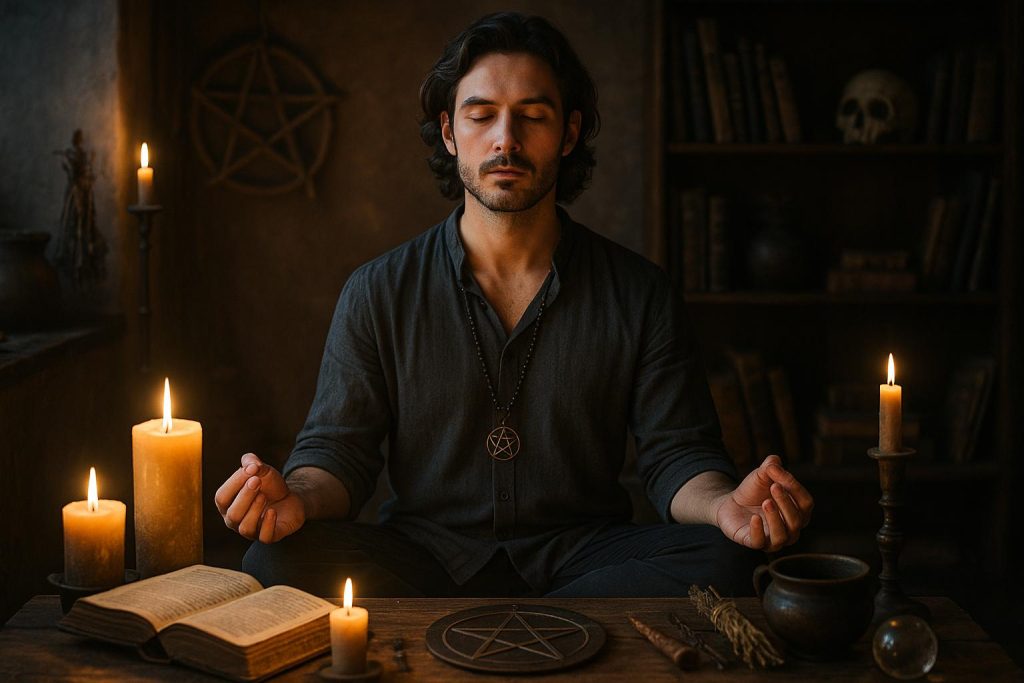
The Intersection of Meditation and Magic
In various magical practices, meditation plays a crucial role, often serving as a foundational technique that enhances the practitioner’s ability to perform magic. Understanding its function within these practices requires an exploration of how meditation can cultivate specific states of mind conducive to magical work.
Meditation as a Tool for Focus
A primary benefit of meditation in magical contexts is its ability to increase focus and concentration. In magic, the practitioner’s intention and mental clarity are vital. Through regular meditation, individuals develop the capacity to quiet the mind, thereby allowing for heightened awareness and concentration. This enhanced focus is essential for directing energy and intention during magical workings. When a practitioner can maintain sustained focus, they become adept at controlling the flow and direction of magical energy, which is often harnessed through rituals and spells to manifest desired outcomes.
Enhancing Visualization Skills
Visualization is a core aspect of many magical practices, from manifesting desired outcomes to journeying in the astral planes. Meditation aids in strengthening the imagination, enabling practitioners to create vivid mental images. These enhanced visualization skills are crucial when performing rituals or spell work, as they help in creating a more potent connection between the mental imagery and the intended magical outcome. Effective visualization can create a strong link between the practitioner’s will and the universe, enabling them to influence the world around them more effectively.
Cultivating a Deep State of Awareness
The practice of meditation encourages a heightened state of awareness. For practitioners of magic, being in a state of heightened consciousness can lead to deeper insights and a more profound understanding of the symbolism and energy they work with. This elevated awareness can also make them more receptive to subtle energies and communication from non-physical entities that may assist in their magical practices. By regularly engaging in meditation, practitioners can open themselves up to intuitive insights and profound revelations that may not be apparent in everyday states of consciousness.
Grounding and Centering
An essential element of meditation in magic is its ability to ground and center practitioners. Grounding involves creating an energetic connection with the Earth, providing stability and balance. A centered practitioner maintains focus and control over their emotions and energy, thus preventing external distractions from interfering with magical work. Many techniques, such as breath work or simple sit-down meditations, support these goals. These techniques help individuals anchor themselves in the present moment, ensuring that their magical work is performed with clarity and intention.
Improving Emotional Regulation
Magic often requires balanced emotional states for optimum effectiveness. Meditation equips individuals with tools to manage emotions, reducing the likelihood of negative emotions interfering with their practices. This regulation is essential, as emotional imbalances can disrupt the flow of energy that magic relies on, leading to unintended outcomes. By cultivating emotional stability through meditation, practitioners can ensure that their magical work is not tainted by unintended influences or negative emotional undercurrents.
Connection with Spiritual Realms
Many magical traditions involve communication with spiritual entities or forces. Meditation facilitates this by allowing practitioners to attune themselves to these energies. Regular meditation practice, often focused on specific spiritual goals, can lead to enhanced experiences and interactions with these realms, expanding the practitioner’s capabilities and knowledge within their magical practices. This connection with spiritual realms can provide guidance, insight, and support, allowing practitioners to deepen their understanding and expand their abilities in the magical domain.
Conclusion
Meditation’s role in magical practices spans from enhancing focus and visualization to providing emotional regulation and spiritual connection. These advantages make meditation an indispensable component of effective magical practice. As such, individuals involved in magic may greatly benefit from incorporating meditation into their regular routines, allowing them to deepen their practice and achieve more significant results. For more resources on integrating meditation with magical practices, consider exploring specialized courses and literature from seasoned practitioners.
The incorporation of meditation into magical work creates a comprehensive approach to enhancing the practitioner’s skills and experiences. Understanding the nuances of meditation within magic allows practitioners to harness its full potential, creating a more profound and unified experience between the mind, spirit, and the magical world. Meditation serves as a bridge, connecting the practitioner’s internal world with the external forces they seek to work with, grounding their practice in clarity, intention, and awareness. Bridging the gap between the mundane and magical, meditation acts as both a preparatory tool and an ongoing practice that enriches the overall experience of magic.
Through disciplined practice, meditation becomes an ally in the magical journey, supporting practitioners in refining their craft, deepening their spiritual connections, and expanding their understanding of the cosmos. The integration of meditation within magical practice is not merely a supplementary activity but a core component that underpins the entire magical endeavor. As practitioners continue to explore the intricate relationship between meditation and magic, they unlock new possibilities, gaining insights and capacities that enhance their journey of discovery and creation.