
Understanding Sacred Space
Creating a sacred space for rituals is a thoughtful process that involves careful consideration of purpose, location, and elements. A sacred space is designed to foster spiritual connection, reflection, and tranquility. This space can be either indoors or outdoors, depending on your preferences and the type of rituals you plan to conduct.
Choosing the Right Location
The location of your sacred space is paramount as it significantly influences the spiritual experience and connection you can achieve. When deciding on a location, prioritize somewhere you feel comfortable and free from distractions. It should ideally be a place that inspires peace and serenity, allowing you to focus on the spiritual activities at hand. Indoors, a quiet corner of your home can function effectively, offering a personal and easily accessible environment. For outdoor spaces, consider spots like a secluded section of your garden or a nearby park that naturally provide inspiration and calm.
Assessing Space Constraints and Requirements
After identifying a location, you will need to evaluate its size and any environmental factors that could affect its suitability. The space must be ample enough to accommodate all necessary items and individuals involved in your rituals. For indoor spaces, take practical aspects into account such as available lighting, ease of access, and privacy from other household areas. Outdoor spaces, on the other hand, require considerations of weather conditions and natural noises that could disrupt serenity. By scrutinizing these elements, you can refine the space to meet your requirements effectively.
Defining the Purpose
When establishing a sacred space, it’s crucial to define what you intend for it. Your specific purposes will guide both the design of the area and the elements it contains. Decide whether the space will serve general meditation, specific prayer activities, group gatherings, or personal reflection. Each intention may necessitate different arrangements of furniture, space, and objects. By understanding your sacred space’s purpose, you ensure that every element within is deliberate and meaningful.
Curating Sacred Elements
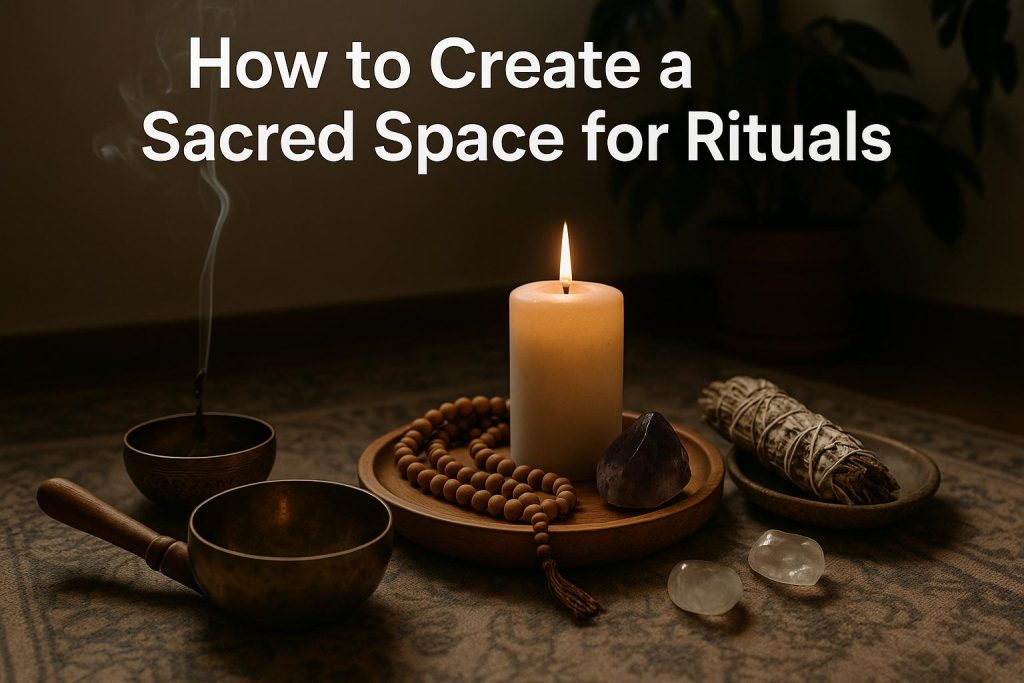
Your sacred space should be curated with elements that enhance and reflect your spiritual practice. These often include altars, which serve as focal points, as well as spiritual symbols, crystals, and incense. The careful selection and placement of these objects help in fostering a spiritually conducive atmosphere. Beyond their aesthetic contributions, these objects often hold symbolic or energetic significance, thereby enriching the practice conducted within the space.
Incorporating Natural Elements
Incorporating natural elements into your sacred space can profoundly enhance its ambiance. Materials like plants, stones, and water are often used to create a sense of harmony and grounding. These natural components are thought to facilitate a deeper, more intuitive connection with nature and the broader cosmos. This incorporation can ground the space in the natural world, enhancing its spiritual resonance and making it feel even more sacred.
Maintaining the Space
To keep a sacred space effective and inviting, regular maintenance is necessary. This involves consistent cleaning to ensure the space remains physically appealing and spiritually refreshing. Arranging objects thoughtfully and keeping them in an orderly fashion helps in sustaining the area’s sanctity. Occasionally, introducing new elements or refreshing existing ones can rejuvenate the space. This not only retains its spiritual vibrancy but also reflects your growing spiritual practice over time.
Establishing Rituals
The regular practice of rituals is key to maintaining the energy and sanctity of a sacred space. These rituals could be as simple as lighting a candle and offering a brief prayer, or more elaborate, such as conducting ceremonies marking changing seasons or significant spiritual milestones. Introducing these practices creates a rhythmic, ongoing engagement with the space, reinforcing its sacred nature and purpose in your life.
Enhancing Energetic Boundaries
To preserve the purity of your sacred space’s energy, it is essential to establish and maintain energetic boundaries. Techniques such as visualizing protective barriers around the space can help to keep it energetically pure. Additionally, employing sound, like chimes or bells, can aid in cleansing the area’s energy, while ritualistic actions aimed at energy purification can sustain a positive energy flow. These practices ensure the space remains a sanctuary, reserved for spiritual and contemplative uses.
Conclusion
The journey of creating a sacred space is personal, demanding reflection and intentionality in its development. It entails selecting a location and elements consistent with your spiritual needs, along with maintenance practices that preserve its sanctity. This space can become a pivotal sanctuary for personal growth and introspection, a meaningful retreat from the busyness of the world outside. Regardless of size or location, its singular purpose remains fostering a deeper spiritual connection and reflection.
For those looking to further enrich their sacred space and spiritual practices, considering additional resources from reputable spirituality blogs and websites can provide helpful insights and inspiration. These resources may offer new perspectives, practices, and ideas that could complement and expand your current spiritual journey.