
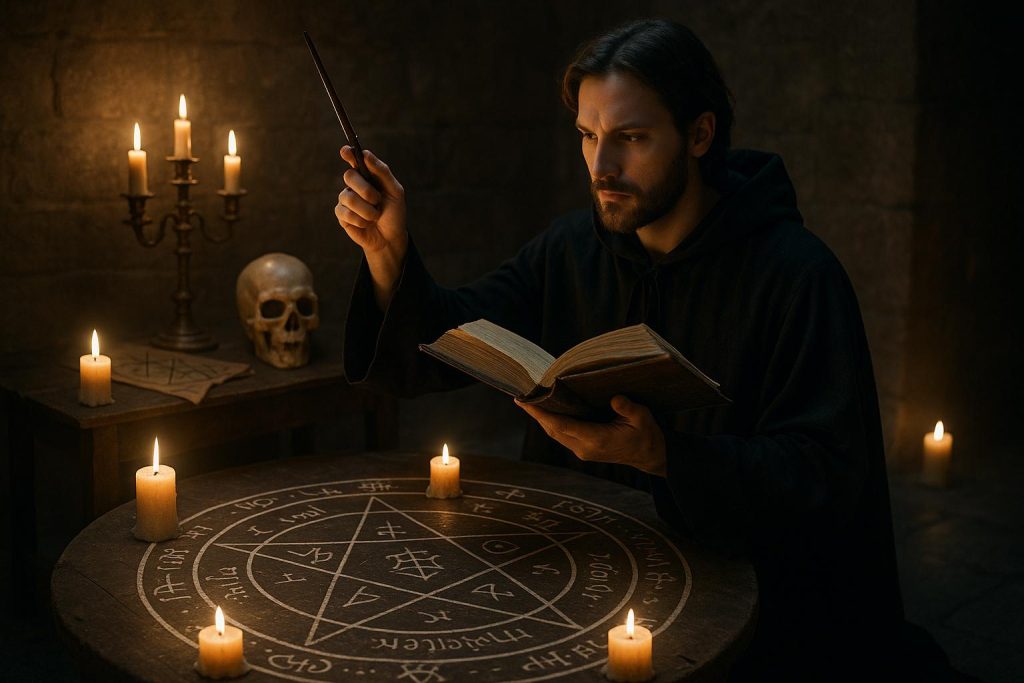
Ceremonial magic, often synonymous with ritual magic, holds a significant place in the annals of human history. This intricate practice involves conducting rituals and ceremonies to either summon spiritual entities or project the practitioner’s intention into the universe. It is characterized by detailed and precisely orchestrated rites, incorporating a diverse array of cultural and historical influences. This form of magic has evolved through time, absorbing elements from different civilizations and belief systems, each adding a unique dimension to its overall framework.
Historical Foundations
Ceremonial magic’s roots run deep, stretching back to ancient civilizations such as Egypt, Greece, and Rome. These cultures infused their own traditions into the practice, creating a rich tapestry of rituals and ceremonies. Egyptian magic was often intertwined with religious ceremonies, focusing on invoking deities and using sacred texts to achieve desired outcomes. Similarly, Greek and Roman practices emphasized the complex relationship between humans and the divine, utilizing rites to gain favor or insight from their gods.
During the Middle Ages, ceremonial magic incorporated elements from a variety of religious and philosophical traditions. The influence of the Hermetic tradition, which emphasized alchemical mysticism and the pursuit of wisdom, played a significant role. Additionally, Kabbalistic teachings, rooted in Jewish mysticism, contributed concepts of sacred texts and divine symbols. The mysteries of ancient cults, often shrouded in secrecy and involving initiatory rites, also permeated ceremonial practices.
The Renaissance ushered in a period of renewal and transformation, during which ceremonial magic experienced significant evolution. Interests in alchemy, astrology, and esoteric Christianity enriched the magic with new dimensions. Alchemy, with its symbolic interpretation of physical processes, influenced magical practices by incorporating transformative symbolism. Astrology provided celestial insights, linking planetary movements with earthly events, while esoteric Christianity introduced mystical interpretations of Christian doctrine, merging scriptural symbolism with magical rituals.
Texts and Traditions
The foundation of ceremonial magic lies in specialized texts known as grimoires. These books, filled with spells, invocations, and detailed rituals, serve as vital resources for practitioners. The *Key of Solomon* is a particularly renowned grimoire, outlining complex conjurations, protective charms, and powerful pentacles. This text, among others, offers a structured approach for individuals embarking on the path of ceremonial magic.
Grimoires function as both instructional manuals and repositories of accumulated knowledge. They catalog specific rituals, including preparations, necessary tools, and outcomes. For practitioners, these texts represent a lineage of wisdom, bridging past traditions with contemporary interpretations. By studying grimoires, individuals gain insight into the purpose and methodology behind various magical operations.
Notable Practitioners
The late 19th and early 20th centuries were pivotal for the practice of ceremonial magic, largely due to influential figures such as Aleister Crowley and the members of the Hermetic Order of the Golden Dawn. Aleister Crowley, a prominent occultist, contributed significantly by integrating his own interpretations and experiences into the tradition. His emphasis on the power of will and intent reshaped the understanding and execution of ceremonial rituals.
The Hermetic Order of the Golden Dawn, a secret society focused on the study of the occult, played a crucial role in popularizing ceremonial magic. Its members explored the symbolic meanings behind rituals and stressed the importance of mental discipline and understanding the interconnectedness of all things. By disseminating their knowledge through books, lectures, and gatherings, these figures made ceremonial magic more accessible, leaving an indelible mark on its modern perception.
Core Elements of Practice
Ceremonial magic is defined by a variety of core elements, encompassing specific tools, symbols, and structured rituals. These components work in harmony to create a cohesive and potent magical experience.
Tools: Practitioners often use specific instruments during rituals, each imbued with symbolic meaning and purpose. Wands represent the element of air or the magical will, daggers symbolize intellect or cutting away unwanted influences, and chalices embody water or emotions. The use of these tools facilitates a deeper connection with the elements and energies they represent.
Symbols: Symbols hold profound significance in ceremonial rituals, serving to invoke particular powers or guide the practitioner’s intentions. Pentagrams, typically associated with protection and balance, are a common symbol. Hexagrams, often representing unity and the merging of opposites, are also frequently used. These symbols act as focal points, directing spiritual energy during the ritual.
Rituals generally follow a structured format, consisting of several stages: preparation, invocation, and closing. Preparation involves creating a sacred space, focusing the mind, and gathering necessary tools and symbols. Invocation is the heart of the ritual, where practitioners call upon specific entities, energies, or aspects of the self to manifest desired changes. Closing is the final phase, allowing participants to safely disengage from the ritual and return to everyday consciousness.
Ceremonies can vary widely in complexity, from simple private rites to elaborate public performances. The depth of the practitioner’s experience and their specific goals often dictate the intricacy of the ritual.
Contemporary Perspectives
In the present day, ceremonial magic continues to evolve and adapt, integrating centuries-old traditions with contemporary contexts. Many practitioners still engage with ceremonial magic for personal growth, self-discovery, and spiritual exploration. These practices offer opportunities to delve into the subconscious, navigate personal challenges, and connect with broader universal energies.
Some individuals apply ceremonial magic to affect change in the material world, aligning their intentions with desired outcomes through ritualized action. As society’s understanding of spirituality broadens, ceremonial magic remains a viable path for those seeking to explore the boundaries of consciousness and reality.
Modern technology has made resources about ceremonial magic more accessible than ever. Books, online forums, and digital courses offer guidance for novices and seasoned practitioners alike. This democratization of knowledge enables a wider audience to explore and appreciate the rich traditions of ceremonial magic, fostering a continued interest in its enduring principles and practices.
For further exploration, consider seeking additional scholarly articles and texts dedicated to the intricate study of ceremonial magic, its practices, and historical context.