
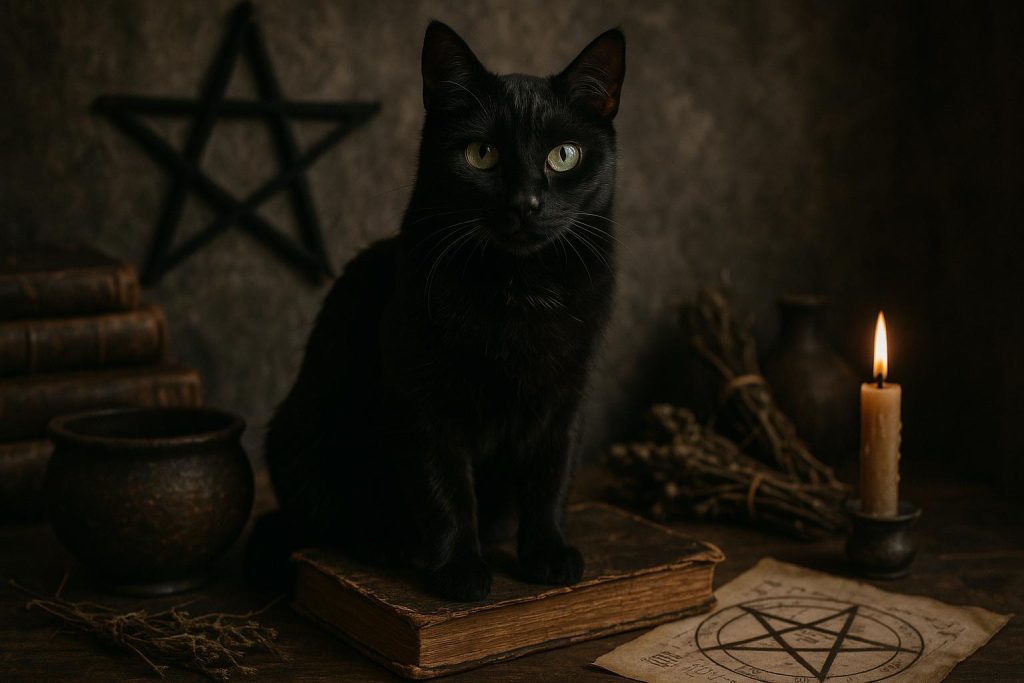
Understanding Familiars in Wicca and the Occult
In the world of Wicca and the occult, the concept of familiars holds a significant place. Familiars are often considered companions or spiritual entities that assist practitioners in their magical endeavors. Although the idea of familiars is not exclusive to Wicca, it is a tradition that has been embraced and reinterpreted over time. The understanding and utilization of familiars vary among practitioners, adding to the rich tapestry of practices within Wicca and the broader occult community.
The Origins of Familiars
Familiars have their roots in European folklore and witchcraft. Historically, they were believed to be supernatural entities in the form of animals that aided witches in their practices. Common forms included cats, dogs, birds, and reptiles. These entities were thought to possess mystical powers that could assist with spellcasting and divination. The presence of familiars in folklore often carried a dual narrative; they were seen both as loyal companions and as figures of suspicion and fear by those outside the traditions of witchcraft.
The historical narrative around familiars can be traced back to the witch trials of the early modern period, where accused witches were often said to have animal companions, considered demonic entities. This inclusion in trial narratives reflects the blending of cultural storytelling, fear, and misunderstanding of pagan practices and animal symbolism. The familiar as a witch’s companion often paved the way for broader demonization of natural and paganistic practices, seen through the lens of Christian Europe.
Role of Familiars in Wicca
In Wiccan practice, familiars are seen as more than just magical aides. They are considered spiritual partners that enhance a witch’s connection to nature and the spiritual world. Unlike traditional witchcraft, where familiars might have been seen purely as tools, in Wicca, they are treated with respect and appreciation for their individuality and spiritual presence. This perspective aligns with the Wiccan principles of immanence and interconnectedness, where every entity, living or spirit, is seen as part of the divine.
Wiccans often seek to establish a reciprocal relationship with their familiars, nurturing a connection that fosters mutual benefit and respect. This relationship can enhance rituals and spellwork by amplifying energies and acting as conduits between the physical and spiritual planes. In this role, familiars are more akin to co-practitioners, integral to a Wiccan’s spiritual journey.
How Familiars Assist Practitioners
Familiars can assist Wiccans in various ways. They may help focus energy, offer protection, and enhance the practitioner’s intuition. Some believe that familiars can even provide guidance from the spiritual realm, aiding in decision-making and personal growth. Familiars might communicate through intuition, subtle signs, or during meditative states, guiding practitioners through their spiritual challenges and endeavors.
The protective role of familiars is highly valued, as they are believed to guard against negative energies or entities. In practice, a familiar may act as a filter or shield when practitioners engage in rituals or meditate, fostering a sense of safety and balance. The mere presence of a familiar during such activities is also considered empowering, reinforcing the practitioner’s focus and connection to the ritual.
Beyond protection and guidance, familiars can enhance a practitioner’s empathetic abilities and connection to empathy. By studying the behavior and subtle cues of their animal familiar, practitioners can deepen their understanding of natural cycles and energies in the world around them.
Modern Interpretations and Practices
Today, the role of familiars in Wiccan practice has evolved beyond mere animal companions. Some practitioners believe familiars can be spirits without physical forms, serving as guides or protectors. Others consider family pets to hold the role of a familiar, assisting in spiritual practices and providing comfort and companionship.
The interpretation of a familiar as a spirit guide is particularly resonant in modern Wiccan practices that incorporate elements of shamanism or other forms of animism. These practices recognize the possibility of spirits manifesting in various ways, not limited to the physical realm. Such interpretations allow a broader understanding of familiars, expanding possibilities for learning and growth within Wicca.
Similarly, the mundane companionship offered by family pets can provide profound spiritual support. Pets that share daily life with practitioners may naturally absorb and participate in the ritual energies of their humans, acting as passive familiar presences. Practitioners looking to strengthen the familiar bond with their pets often do so through rituals designed to honor and recognize the spiritual connection inherent within everyday relationships.
For those interested in further exploring the role of familiars in Wicca and the occult, numerous resources and communities offer deeper insights. Engaging with such resources can provide a richer understanding and appreciation for these unique spiritual relationships. Resources include books on Wicca and practical magic, online forums, and community circles, where practitioners share experiences and offer guidance on working with familiars.
In conclusion, familiars hold a multi-faceted role in Wicca and the occult, acting as bridges to the spiritual world while supporting the practitioner’s magical journey. As perceptions and practices regarding familiars continue to evolve, they remain an integral part of many contemporary magical traditions. This adaptability and evolution ensure that familiars continue to serve as invaluable allies, offering wisdom, protection, and companionship on the spiritual path.