
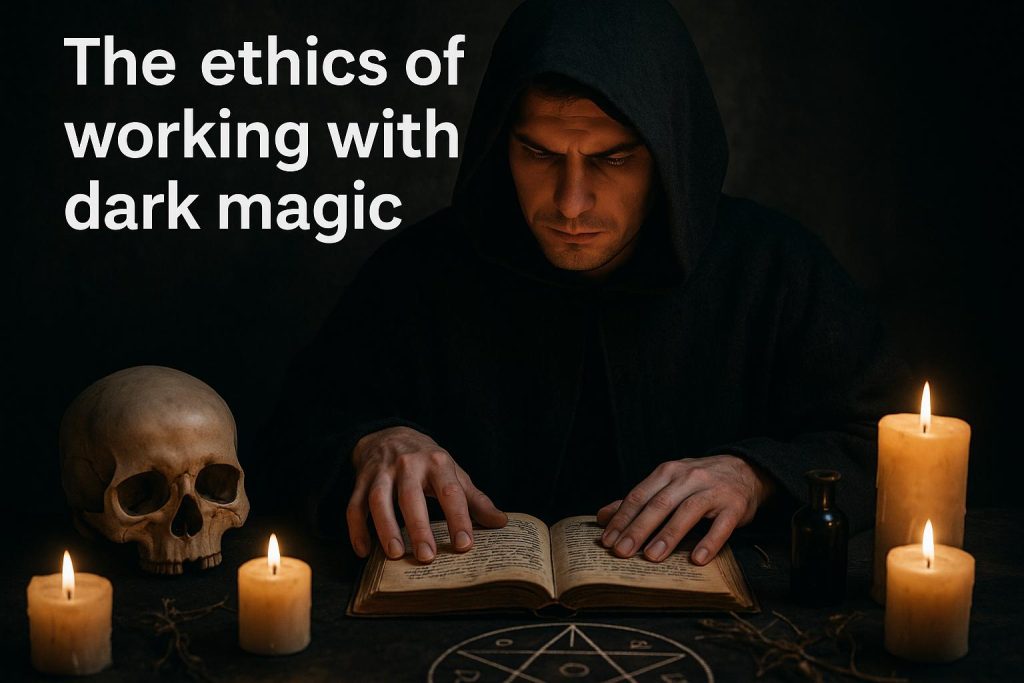
The Ethics of Working with Dark Magic
The subject of dark magic often incites significant debate, especially within communities sensitive to the ethical implications of engaging in such practices. This article explores the factual aspects of working with dark magic while avoiding emotional language and refraining from excessive listing.
Understanding Dark Magic
Dark magic, sometimes referred to as black magic, involves practices believed to harness supernatural forces for personal gain or to harm others. These practices can vary widely, from the use of spells and curses to more esoteric rituals. The distinction between what is considered “dark” as opposed to other forms of magic often lies in the intent and potential consequences of its usage.
Historical Perspectives
Throughout history, many cultures have both feared and revered practitioners of dark magic. In some societies, individuals believed to practice dark magic were persecuted, while in others, they were sought for their perceived power. The ethical debate surrounding dark magic is not new; it has been a point of contention for centuries. Historical texts and folklore often provide insights into how these practices were perceived in different eras.
In ancient cultures, tales of sorcery were abundant. In ancient Egypt, texts such as the Book of the Dead included spells and enchantments meant to protect the dead in their journey to the afterlife, embodying the belief in magic as a part of life’s cycle rather than a dark art. Contrarily, in medieval Europe, witch hunts exemplified the societal fear rooted in a belief system where those accused of dark magic faced severe punishment.
In the East, practices like necromancy and divination were often intertwined with religious or spiritual activities. In many Asian cultures, folk doctrines included complex systems to interpret dark magical practices, portraying them in both a benevolent and malevolent light. These perspectives collectively underline the diverse historical attitudes towards magic across different civilizations.
Intent and Consequences
The ethical considerations of working with dark magic predominantly focus on intent and consequences. The intent often defines the moral standing of the practice; using magic to harm or manipulate others is typically viewed as unethical by both magical and non-magical communities.
For instance, spells or rituals designed to deliberately cause harm reflect willful malice, which often leads to ethical disapproval. Conversely, magic employed with benign or protective intentions, even when categorized as dark, might garner a different ethical evaluation.
Furthermore, the consequences, whether intended or unintended, are critical in evaluating the ethical implications. Harmful outcomes, even if unintended, can lead to broader societal condemnation. This raises questions about accountability and ethical foresight. Ethical discourse suggests that practitioners are responsible not only for their intentions but also for anticipating potential repercussions, ensuring they weigh the societal, personal, and cosmic balance before embarking on dark magical practices.
Modern Perspectives
In contemporary discussions, ethical considerations are often shaped by societal norms and laws. It is essential to recognize that what might be acceptable in one culture could be considered unethical or even illegal in another. The evolution of global communication has also contributed to a more interconnected understanding of these practices, though interpretations still vary widely.
Modern interpretations may also consider the psychological and social effects of engaging in practices associated with dark magic. Some argue that the stigmatization of dark magic could result in detrimental psychological impacts on practitioners, potentially leading to isolation or internal conflict. Thus, the ethical considerations now include a broader view that encompasses mental health and societal integration.
Consequences for Practitioners
Individuals who engage in dark magic may face various consequences. Social ostracism, legal repercussions, and psychological impacts are potential risks. Furthermore, practitioners are often scrutinized for their intentions and the ethicality of their actions, which can influence their reputation both within and outside magical communities.
Social ostracism might stem from widespread societal disfavor towards dark magical practices. In regions where magic is condemned, practitioners could find themselves marginalized or economically disadvantaged. Legally, engaging in these practices might conflict with specific laws designed to regulate occult behavior, resulting in fines or other judicial actions.
Psychologically, practitioners might encounter issues ranging from guilt and fear due to perceived moral transgressions to a feeling of empowerment that could skew moral judgments. The intersection of these consequences makes the ethical landscape of dark magic particularly complex, necessitating careful consideration by individuals who choose to engage in such practices.
Conclusion
While the ethical implications of working with dark magic are complex and multifaceted, understanding the historical context, intent, and consequences can provide a clearer perspective. It is crucial for those considering such practices to weigh these factors carefully and consider the broader impact of their actions. As cultures continue to evolve, so too do their interpretations and ethical judgments regarding practices like dark magic. Future discourse will likely continue to navigate these complexities, aspiring to strike a balance between personal autonomy and societal ethics in the realm of the supernatural. For further reading on ethical considerations in various practices, you may explore additional scholarly articles and resources.