
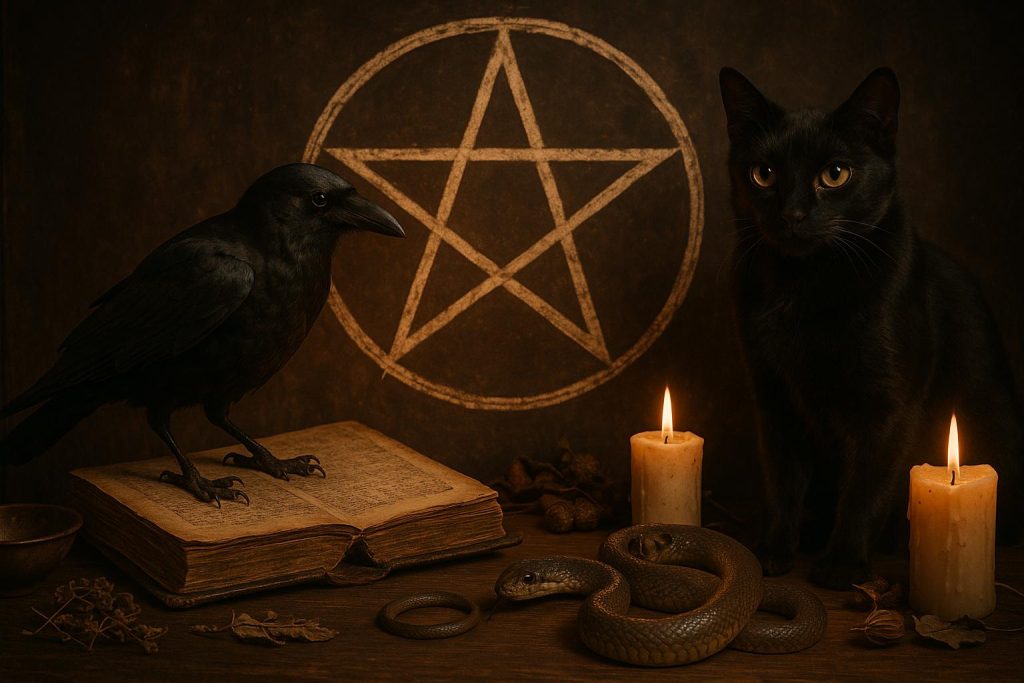
Introduction to Animal Symbolism in Wicca and Occult Practices
In Wiccan practices and various other occult traditions, animals hold a significant place as symbols of spiritual guidance, omens, and connections to the world around us. The interpretative meanings assigned to various animals can differ greatly, depending on the tradition, personal insight, and cultural influences that shape one’s spiritual path. This deep-rooted connection with the animal kingdom allows practitioners to perceive them as extensions of the natural world, facilitating an enriched understanding of spiritual and earthly realms.
The Role of Animals in Wiccan Beliefs
Within Wiccan traditions, animals are considered integral spiritual allies and guides, often referred to as spirit animals or totems. These spiritual allies are revered for their ability to offer profound insights and life lessons, while also serving as conduits that link the practitioner more intimately with nature. The animals embody characteristics or powers that followers of the tradition aim to emulate or connect with, nurturing a deeper state of awareness and connection through their presence in rituals and meditations.
Elaborating further, the practice of identifying and working with spirit animals involves sensitivity to the subtleties of animal behavior and characteristics. Practitioners are encouraged to observe and reflect on encounters with these creatures—whether physical, in dreams, or metaphorically. Such interactions are seen as messages, providing valuable guidance and insight into personal challenges, spiritual growth, or life’s transitions.
Animal Correspondences and Their Meanings
A core aspect of integrating animal symbolism in Wiccan and occult practices involves understanding and working with animal correspondences. These correspondences are attributes or energies that become synonymous with specific animals. Integrating these symbolic meanings into rituals and spells enriches the practitioner’s spiritual work by adding layers of depth and significance.
Wolf: The wolf embodies a range of powerful attributes including loyalty, intelligence, and community bonds. These canines are revered for their deep connection to intuition and instinctual knowledge, often perceived as protectors in spiritual journeys. By drawing upon wolf symbolism, practitioners aim to invoke a sense of belonging and heightened spiritual awareness.
Owl: Celebrated for its wisdom, the owl is a beacon of insight and transformation. Known for its ability to navigate through darkness with keen sight, the owl symbolism teaches practitioners to perceive hidden truths and to trust their intuition. In doing so, the owl becomes a guide for those who seek to uncover deception and peel back the veils obscuring true understanding.
Cat: Cats possess an aura of independence and mystery, serving as protective entities and loyal companions to practitioners. Seen as guardians, particularly of the home, cats inspire curiosity and intuition. When engaging with this symbolism, practitioners may strive to cultivate these qualities, fostering personal independence and strengthening their intuitive capacities.
Snake: The snake symbolizes immense transformation and healing, closely associated with the cyclical nature of life, encompassing birth, death, and rebirth. Engaging with snake symbolism is an acknowledgment of ongoing personal growth and renewal, encouraging practitioners to shed old patterns and embrace transformation.
Ritual Use of Animal Symbolism
Ritual practices within Wicca often involve invoking animal symbolism to enhance and focus magical workings. This incorporation can manifest through various forms, including visualization techniques, the use of animal imagery, or by physically incorporating items such as feathers, stones, or sculptures that represent the animal into the sacred space of the ritual.
Consider, for instance, a practitioner intending to gain wisdom or spiritual guidance. They might incorporate the essence of an owl into their ritual by placing an owl feather on their altar. Such a symbolic gesture serves not only as a representation of the owl’s attributes but also as a touchstone for meditation and reflection on these qualities. The practitioner thus attunes themselves to the energies that the owl embodies, channeling wisdom, clarity, and transformational insight.
Within this framework, the practical aspects of animal symbolism become interwoven with spiritual practice, illustrating an intentionality that connects personal meaning with the expansive tapestry of the natural world.
Conclusion: The Personal Nature of Animal Symbolism
The practice of interpreting and integrating animal symbolism in Wicca and similar occult traditions is an inherently personal and dynamic endeavor. While common interpretations exist, each practitioner is encouraged to explore and resonate with meanings that hold personal significance. Through reflection and experience, individuals craft a personal understanding of how these animals fit into their unique spiritual narrative, offering an individualized tapestry of symbol and meaning that supports their growth and exploration.
This personal engagement with animal symbolism emphasizes a continuous journey of discovery, one that invites practitioners to deepen their connection with the natural world and their inner selves. Through this ongoing interaction, the meanings and connections associated with animals transcend static definitions, evolving with the practitioner’s spiritual journey. This path encourages not just the search for external knowledge and connection, but also an introspective exploration of the self in relation to the vibrant world of natural and spiritual phenomena.
For further reading and exploration, consider visiting resources dedicated to pagan and occult traditions to deepen your understanding of animal symbolism in these contexts.