
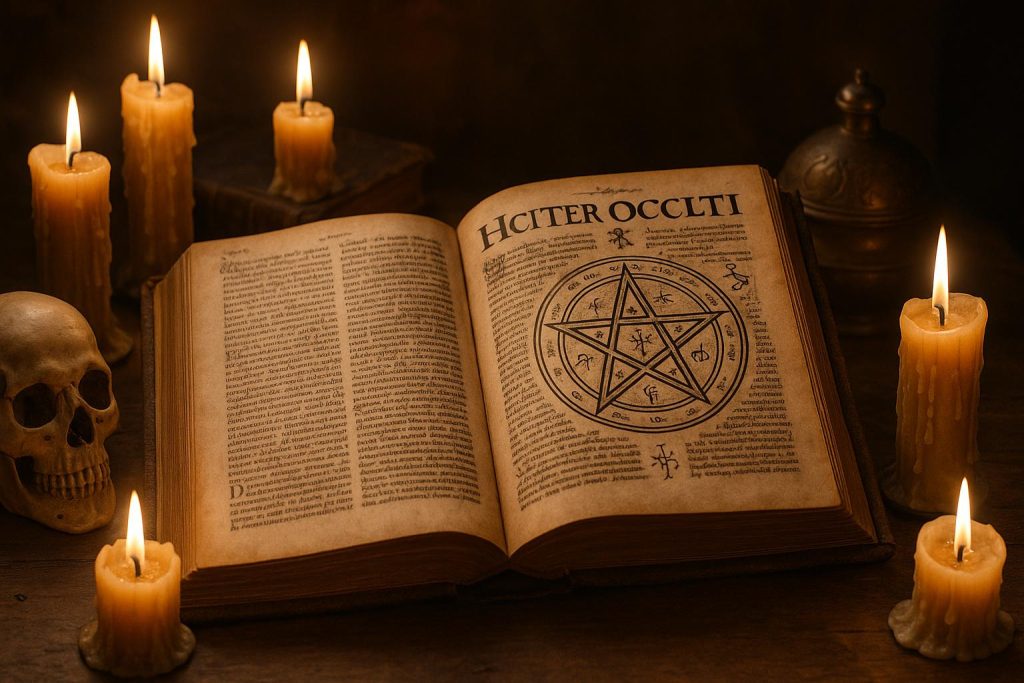
The Role of Sacred Texts in Occult Traditions
Sacred texts occupy a pivotal role in the framework of occult traditions. These texts provide a foundation for understanding the esoteric principles and teachings that underpin various practices and beliefs. Such documents are often considered to be repositories of hidden knowledge, illuminating the paths of spiritual seekers with insights that are both mystical and philosophical.
Historical Context and Development
Throughout history, sacred texts have served as invaluable resources integral to various occult traditions. These writings have been instrumental in shaping practices, beliefs, and the overall spiritual framework of such traditions. Texts like the Sefer Yetzirah in the Jewish Kabbalistic tradition, the Hermetica in Hermetic systems, and the Book of Shadows in Wicca represent just a few examples of how written works have profoundly influenced these spiritual paths. Each of these texts comprises a unique amalgamation of myth, narrative, symbolic instruction, and spiritual guidance tailored to its specific tradition.
In many cases, occult traditions place a significant emphasis on the notion of initiation. Within this context, sacred texts serve as guides for initiates, helping them navigate deeper levels of understanding and practice. Often, these texts are written in symbolic and cryptic language, deliberately designed to inspire contemplation and interpretation. This method ensures that practitioners engage with the texts on multiple levels, encouraging them to look beyond literal meanings. Consequently, individuals are motivated to cultivate intellectual and spiritual depth through ongoing engagement with the texts.
Transmission and Preservation
The transmission of sacred texts in occult traditions has frequently been an exclusive and guarded process. Historically, these texts were shared through closed and secretive lineages, passing down through generations of practitioners. Before many of them were committed to writing, these texts were preserved through oral traditions, a testament to their valued status and the importance placed on accurate transmission. This oral transmission reflects the care and reverence with which these traditions held their foundational teachings. The selective sharing of such texts further underscores their sanctity and the perceived power they hold, making them accessible only to those deemed ready to appreciate and utilize the knowledge.
Interpretive Frameworks and Esoteric Knowledge
In occult traditions, sacred texts are not merely consumed in isolation. Instead, they are often accompanied by unique interpretive frameworks or commentaries that provide deeper insights into their complex and layered meanings. These texts are enriched by interpretations crafted by individuals who possess significant expertise and understanding within the tradition. The esoteric knowledge encompassed within these sacred writings often delves into intricate concepts, addressing subjects like the nature of reality, cosmology, divinity, and potential human transformation.
With their layered structure, these texts challenge practitioners to engage with profound philosophical and spiritual ideas. By pondering the varied interpretations, adherents gain access to a form of wisdom that is both complex and transformative. The engagement with sacred texts, therefore, becomes a journey through intellectual and mystical dimensions that are continuously unfolding.
Modern Relevance and Adaptations
In contemporary times, the sacred texts of occult traditions continue to hold significant appeal and relevance. The global availability of these texts, facilitated by print and digital media, has broadened access to esoteric knowledge. As a result, a wider array of individuals can explore and engage with these teachings. In many communities, practitioners work to adapt ancient teachings to align with modern contexts, drawing from timeless principles to address contemporary spiritual quests.
This adaptation signifies the dynamism inherent in occult traditions. By integrating ancient wisdom with contemporary understanding, practitioners ensure that the teachings are not confined to any specific time period, but instead resonate with individuals seeking spiritual insight today. Modern adaptations of these sacred texts provide a bridge between ancient secrets and new interpretations, ensuring their enduring impact on spiritual practice.
In summary, sacred texts serve as vital conduits of wisdom within occult traditions, offering insights that transcend temporal and cultural boundaries. Their pivotal role in shaping practice, guiding spiritual inquiry, and preserving the continuity of tradition underscores their enduring significance. While the interpretation and engagement with these texts can vary widely among individuals and within diverse cultural settings, they remain integral to the ongoing evolution and practice of occult traditions. Through the interplay of historical context, intentional transmission, complex interpretations, and modern adaptations, sacred texts continue to illuminate the path for spiritual seekers worldwide.