
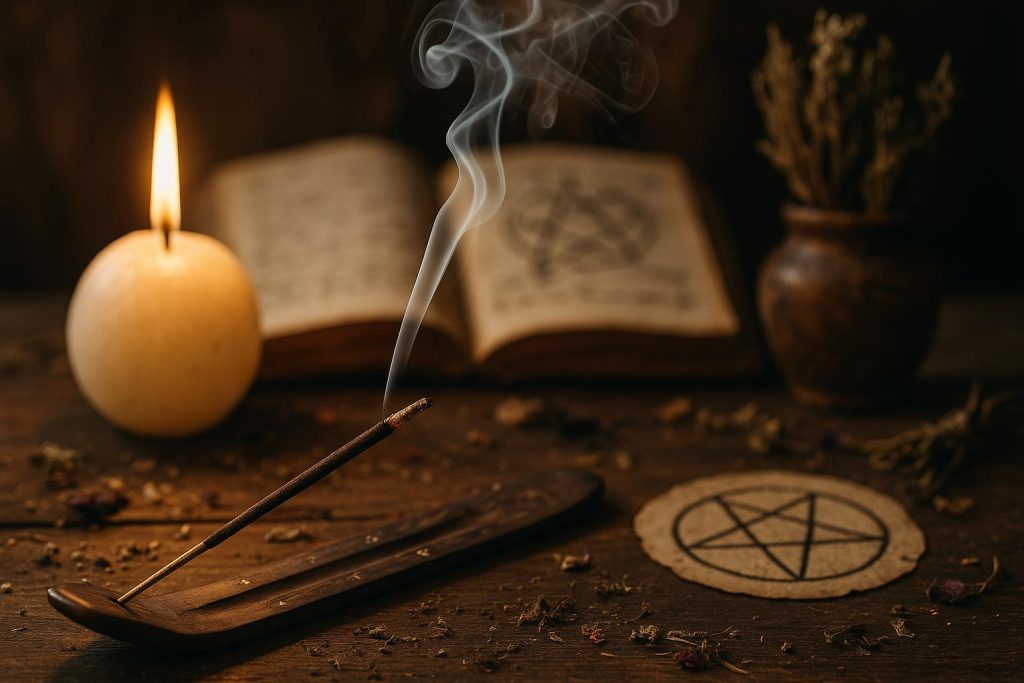
Introduction to Incense in Rituals and Spells
Incense has played a significant role in spiritual and cultural practices around the world for centuries. From religious ceremonies in ancient times to modern-day rituals, incense serves a variety of purposes, often symbolizing the presence of the divine and fostering an atmosphere conducive to spiritual pursuits. This exploration delves into the historical context, symbolic meanings, types, and modern applications of incense in rituals and spells, revealing its enduring importance across various traditions.
The Historical Context of Incense
The history of incense usage is as varied as the cultures that employ it. In ancient Egypt, incense was an integral part of religious offerings and ritualistic ceremonies. The Egyptians believed that the smoke from incense carried prayers to the gods. Similarly, in India, incense was and remains a fixture in both Hindu and Buddhist ceremonies, where it is used to purify the air and aid in meditation.
In China, incense has been intertwined with spiritual practice since ancient times. Incense burning in Confucian, Taoist, and Buddhist traditions is viewed as a means to purify the mind and maintain a peaceful environment. The aromatic scents created a tranquil atmosphere, proving essential in spiritual ceremonies and daily meditation practices.
Across these different cultures, incense not only served practical purposes, such as masking unpleasant odors or repelling insects, but also played a significant role in the spiritual and ritualistic life of societies, linking the human with the divine.
Symbolic Meaning of Incense
Incense holds profound symbolic meaning across many cultural contexts. It often epitomizes the presence of the divine, acting as a medium for communication between humans and the spiritual realm. The transformation of incense from a solid to smoke symbolizes the journey of the soul and the ephemeral nature of life.
The smoke is believed to be a conduit for prayers and intentions, carrying them to the spiritual world. This act of transformation serves as a bridge between the tangible and the intangible, embodying a connection between the physical world and the ethereal realm. In this way, incense embodies the aspiration for transcendence and connection to the divine.
Types of Incense and Their Uses
The use of particular types of incense is often driven by the specific intentions of a ritual or spell. Each type of incense is associated with unique properties and symbolic meanings, influencing their selection in spiritual practices.
Frankincense
Frankincense is valued for its purifying properties. Historically, it has been associated with invoking protection and is used to consecrate spaces. Its resinous aroma helps create a meditative atmosphere, aiding in spiritual growth and contemplation.
Myrrh
Myrrh is esteemed for its healing attributes. It is often used in rituals meant to banish negative influences and provide a soothing ambiance for reflection. The warm, earthy scent of myrrh is believed to foster peace and tranquility.
Sandalwood
Sandalwood is renowned for its relaxing scent. Its use in spiritual practices is widespread, as it is believed to promote healing and enhance meditation and spirituality. The calming aroma of sandalwood often forms the backdrop of rituals meant to deepen spiritual connections.
Sage
Sage is commonly employed in smudging practices. This method of burning sage is aimed at cleansing and purifying spaces, objects, and individuals. Its smoke is thought to dispel negative energy and restore balance.
Modern Applications in Rituals and Spells
In contemporary times, incense continues to be a staple in ritualistic and spiritual practices. Its calming properties make it a popular choice for enhancing meditation, creating sacred environments, and dispersing negative energy. Modern practices often integrate incense to create an ambiance of serenity and focus.
Smudging, a traditional practice rooted in Native American cultures, has seen widespread adoption in various spiritual frameworks. The act of smudging involves burning herbs, such as sage, to cleanse and purify spaces or individuals. This practice is believed to eliminate negative energies, creating an environment ripe for healing and reflection.
Moreover, incense is utilized in personal rituals for setting intentions, enhancing mindfulness, and facilitating a deeper connection to one’s spirituality. Its aromatic presence is thought to aid in centering the mind and fostering a state of receptivity to spiritual insights.
Conclusion
The use of incense in rituals and spells is a tradition steeped in history and meaning. Its multifaceted role as both a practical tool and a spiritual symbol underscores its enduring appeal. Across cultures and epochs, incense has continuously served as a mediator between mankind and the divine, providing a sensorial experience that enhances meditation, reflection, and spiritual communication.
While its forms and applications have evolved, the essence of incense, with its profound symbolic meanings and practical uses, remains a vital component in rituals and spiritual practices from ancient to modern times. The enduring presence of incense in these spheres highlights its unchanging significance in the human quest for spiritual connection and enhancement of ritualistic experiences.